


Latest news
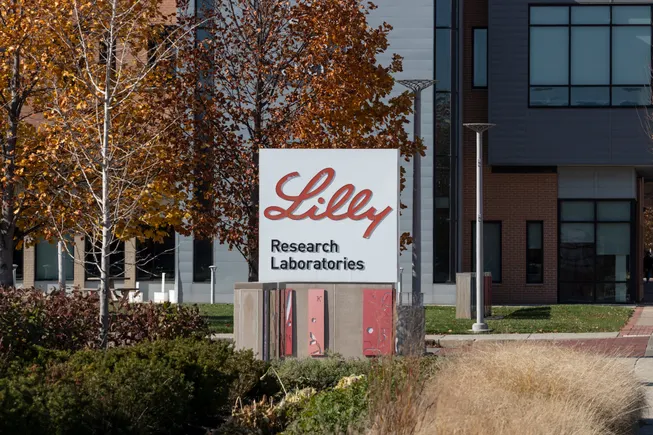
Idea Pharma's latest Global Pharmaceutical Innovation and Invention Index shows that Eli Lilly topped both lists for the first time, driven by weight-loss drugs and pipeline investments; Novo Nordisk fell out of the top ten due to slowing growth and restructuring; Sanofi and GSK jumped significantly in rankings, while Pfizer and BMS slipped due to clinical setbacks. The list also featured, for the first time, 10 emerging biotech companies with disruptive potential.

The American Biotech Innovation Alliance (ABIA) was founded this month in Washington by Patroski Lawson, CEO of the biotech lobbying firm KPM Group. Positioned as a think tank rather than a traditional industry association, the alliance aims to develop a national strategy for U.S. biotechnology. It currently includes about 30 companies, such as Moderna and Rocket Pharmaceuticals. The alliance plans to complete a strategic report by 2028 and influence presidential campaign policies.

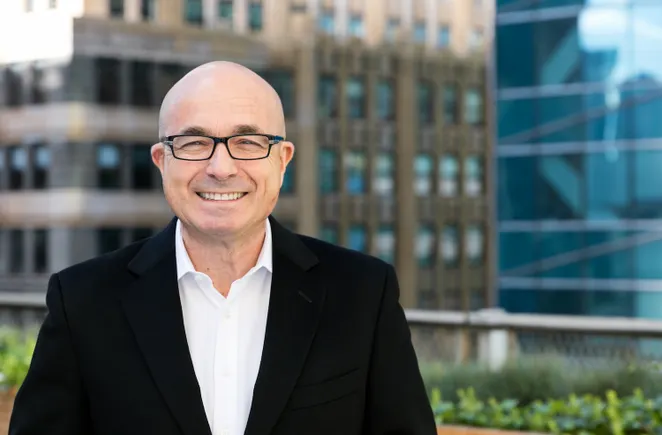
Dr. Jeremy Levin, former CEO of Ovid Therapeutics, issues a call to arms in his new book "Biotech in the Balance," urging the biotech industry to establish an independent identity, distance itself from the controversies facing big pharma, and urging legislators to view biotech as a strategic asset. He warns that without timely policy adjustments, innovative capital will flow to places like China.

Sun Pharmaceutical, India's largest drugmaker, acquired Organon for $11.75 billion, showcasing its global ambitions. However, experts believe that India still lags behind China in biopharmaceutical innovation, with insufficient infrastructure and capital being major obstacles.
Novo Nordisk reported first-quarter results, with oral Wegovy sales reaching DKK 2.26 billion, far exceeding analyst expectations, prompting the company to raise its full-year guidance. Despite competition from Lilly and pricing pressures, the company expects the decline in adjusted sales and operating profit to narrow to 4%-12% in 2026.
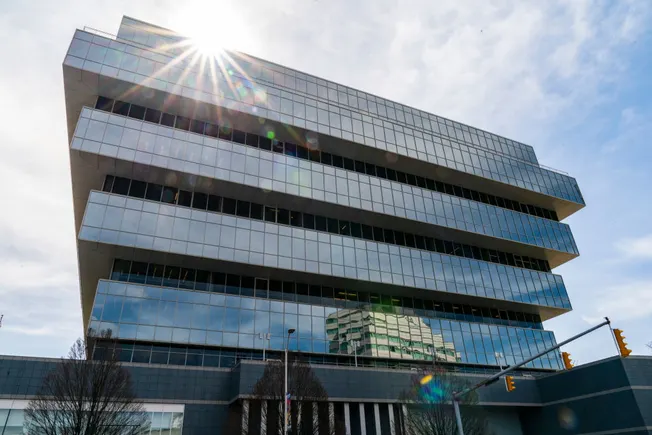
Purdue Pharma has officially dissolved after reaching a $7.4 billion nationwide settlement, and the newly established public-benefit company Knoa Pharma began operations on May 1, pledging to prioritize public health, but critics argue the settlement sets a bad precedent for industry accountability.

Johnson & Johnson's landmark approval of Spravato in 2019 opened the door to a new era of mental health drugs. Now, Definium Therapeutics (formerly MindMed) is advancing its LSD-based candidate drug DT120 for the treatment of generalized anxiety disorder (GAD). The company has completed two late-stage studies and, based on positive Phase 2 data—including a 78% clinical response rate and a 50% symptom remission rate after 4 weeks—expects to announce Phase 3 topline results in the coming months, with potential approval as early as next year. If successful, this would mark a major breakthrough in anxiety disorder treatment since Eli Lilly's Cymbalta was approved in 2007.

The pharmaceutical industry faces the challenge of high R&D investment and low approval rates, making the identification of patients and physicians during the commercialization phase critical. Parag More of Quest Diagnostics points out that predictive analytics based on laboratory results and claims can validate hypotheses, estimate market size, and optimize physician education, driving data-driven launch strategies.
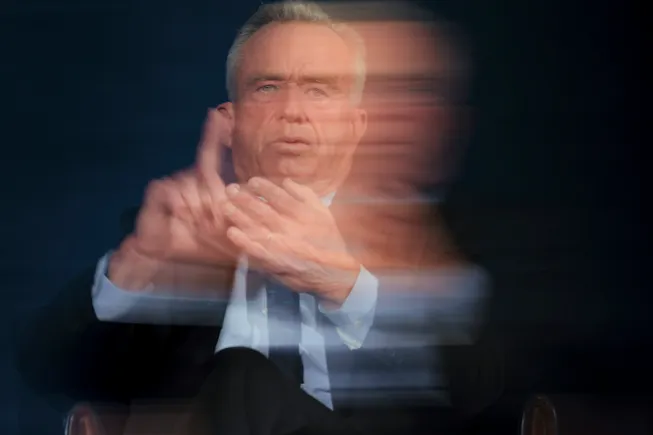
Robert F. Kennedy Jr. (RFK Jr.) called on the FDA in a podcast to reclassify over a dozen synthetic peptides, allowing them to be compounded again through pharmacies. The move aims to bring supply under regulation, but experts warn it may mislead the public and fuel the gray market. The global peptide market exceeds $50 billion in annual sales, and experimental drugs are already circulating through gray channels.