


Biotech
This week's PharmaVoice newsletter highlights Gilead's latest FDA-approved HIV combination pill, a sharp decline in cell therapy licensing deals, the FDA's planned public hearing on psychedelics, and Eli Lilly's $2.8 billion acquisition of AtaiBeckley.
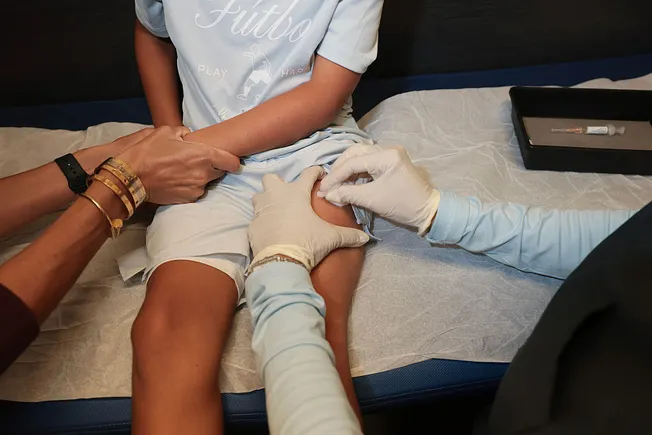
The measles outbreak in the United States has reached a 30-year high, but the therapeutic drug development pipeline remains sparse. A few companies like Invivyd are advancing antibody candidates, while GSK has pushed a quadrivalent vaccine into Phase III trials. Politicization and declining public trust have intensified prevention and control difficulties, while the compliance costs and time of the MMR vaccine split executive order may deter companies.
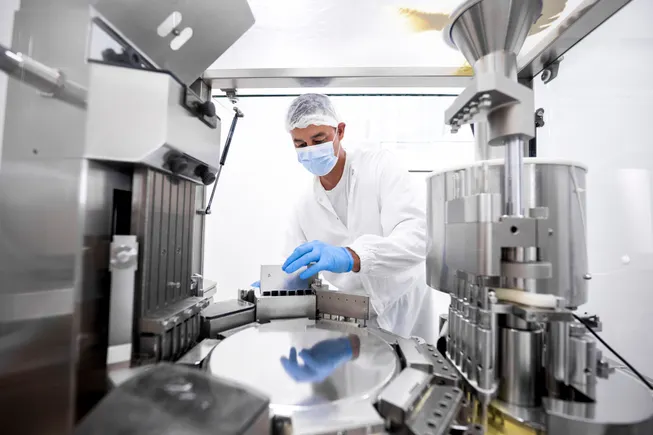
Behind the rapid growth of autologous CAR-T therapies (such as Carvykti) lies a fundamental challenge: each dose corresponds to one patient, so growth means continuously replicating individualized manufacturing processes rather than increasing output per batch. Legend Biotech and Johnson & Johnson's capacity expansion in Raritan, New Jersey, along with a 99% manufacturing success rate and a median turnaround time of 29 days, highlights the difficulty of maintaining reliability at scale. Industry experts point out that automation, closed processing, and early process design are critical, while next-generation technologies such as in vivo CAR-T may simplify this chain.

Drug development for social anxiety disorder has long faced difficulties, and the recent failures of two Phase III studies have further pressured the field. Lilly spent approximately $2.8 billion to acquire AtaiBeckley, and its candidate drug EMP-01 showed positive signals in a Phase IIa trial. Experts believe that failed studies do not mean failed drugs, and the significant effect sizes of psychedelic compounds may offer new ideas for breakthroughs.

The immunology field continues to attract M&A interest from large pharmaceutical companies due to long-term medication needs and potential for indication expansion. This article analyzes three companies with differentiated pipelines in areas such as inflammatory bowel disease and psoriatic arthritis: Spyre Therapeutics (TL1A and α4β7-targeting antibodies), Abivax (oral microRNA-124 modulator obefazimod), and MoonLake Immunotherapeutics (nanobody sonelokimab), and cites Evaluate reports and insights from Kearney partner Betty Pio to explore their potential as acquisition targets.
Moderna and Merck announced that the individualized mRNA cancer vaccine intismeran autogene combined with Keytruda met dual primary endpoints in a Phase III melanoma study; Ultragenyx's first gene therapy Genglycos received FDA accelerated approval for patients aged 8 and older with glycogen storage disease type Ia.
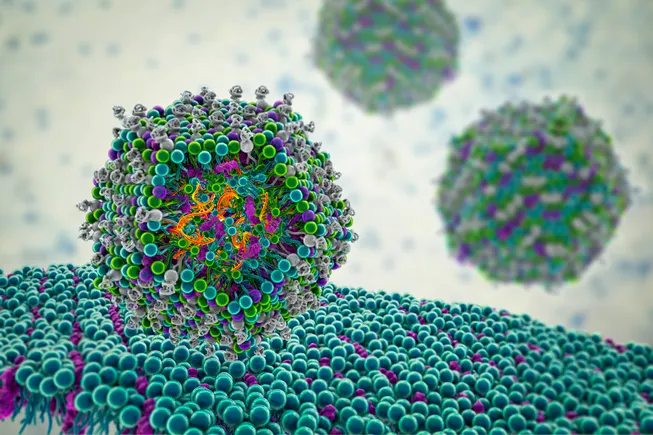
Moderna's mFlusiva received FDA approval for adults 50 and older, becoming the first mRNA flu vaccine in the U.S. Despite phase 3 efficacy of 26.6% over standard flu shots, the company faces significant market and regulatory challenges, including strain selection timing and missed contracting cycles.
BioNTech, once a household name due to its COVID-19 vaccine, is returning to its oncology roots. With Comirnaty sales plummeting and a net loss of $1.56 billion in the first half of 2026, the company has appointed Guido Oelkers as its new CEO, effective by Feb. 1, 2027. Oelkers, who quadrupled Sobi's revenue since 2017, will oversee the transition of BioNTech's cancer pipeline into a sustainable business, leveraging a cash position of $19.2 billion. The company faces challenges including political attacks on mRNA technology, planned layoffs of up to 1,860 jobs, and the departure of co-founders Ugur Sahin and Özlem Türeci by end of 2026.