

Latest news
AstraZeneca and Amgen jointly announced that their immunology drug Tezspire achieved all primary goals in a Phase III study for eosinophilic esophagitis. The drug is already approved for severe asthma and chronic rhinosinusitis, and if the new indication is approved, it will directly compete with Sanofi and Regeneron's Dupixent. Both companies reported Tezspire sales exceeding $1 billion each in 2025, with AstraZeneca's Q2 2026 revenue reaching $390 million, a 45% year-over-year increase.

Argenx has become one of Europe's most valuable biotech companies thanks to its blockbuster drug Vyvgart. New CEO Karen Massey is planning a broader autoimmune disease research and development strategy to maintain innovation and expand the pipeline.

Novo Nordisk, Sanofi, and GSK have each welcomed new CEOs over the past year. The three leaders assumed their roles at pivotal moments for their respective companies, facing challenges such as competition in the obesity drug market, expiration of core product patents, and pipeline restructuring. This article reviews the core tasks and latest developments for the three CEOs since taking office.

The immunology field continues to attract M&A interest from large pharmaceutical companies due to long-term medication needs and potential for indication expansion. This article analyzes three companies with differentiated pipelines in areas such as inflammatory bowel disease and psoriatic arthritis: Spyre Therapeutics (TL1A and α4β7-targeting antibodies), Abivax (oral microRNA-124 modulator obefazimod), and MoonLake Immunotherapeutics (nanobody sonelokimab), and cites Evaluate reports and insights from Kearney partner Betty Pio to explore their potential as acquisition targets.

The pharmaceutical industry is actively betting on artificial intelligence across the entire drug development pipeline, yet data on whether it can ultimately translate into clinically effective therapies remains scarce. The latest analysis jointly released by the Tufts Center for the Study of Drug Development (Tufts CSDD) and Medable shows that AI can generate significant financial returns in oncology trials: the expected net financial value for a single Phase III drug development program reaches up to $21 million, with a return on investment of up to 82-fold. Based on Tufts' oncology benchmark data and Medable's AI clinical monitoring agent operational and cost data, the model indicates that efficiency gains—such as accelerated patient enrollment and earlier database lock—can shorten development timelines by approximately 18 weeks. Although the study is limited to the oncology field, its methodology is generalizable. Tufts CSDD Executive Director Ken Getz and Medable Chief Medical Officer Dr. Pamela Tenaerts were interviewed on the study details, human-machine collaboration models, and industry implications.
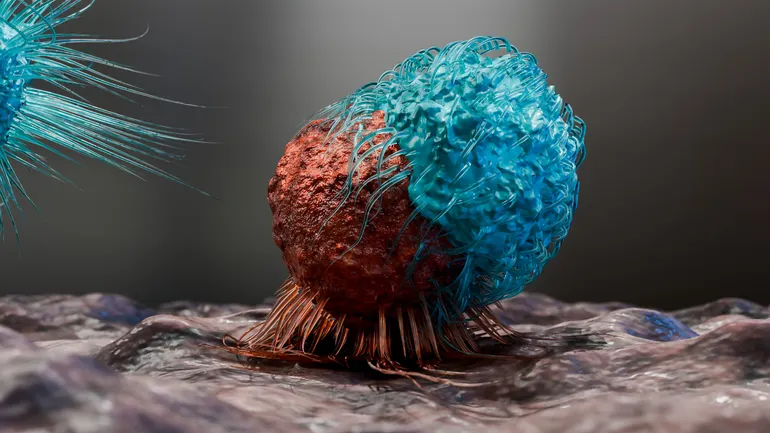
Less than a month after taking over as interim CEO of Legend Biotech, Alan Bash made it clear that the company's strategic direction remains unchanged. In an interview, he discussed the global expansion of Carvykti, the path to overcoming barriers to patient access, and the safety and efficacy thresholds that the in-vivo CAR-T therapy LB2501 must cross before larger-scale studies.

Although obesity drugs such as Ozempic, Wegovy, and Zepbound top the list of global best-selling drugs in 2025, the pharmaceutical industry's pipeline extends far beyond that. This article focuses on three investigational drugs that could become blockbusters: Revolution Medicines' pancreatic cancer drug daraxonrasib, Gilead's CAR-T therapy anito-cel for multiple myeloma, and Lilly's next-generation Alzheimer's drug remternetug, analyzing their clinical data, market potential, and regulatory progress respectively.

Tyra Biosciences' single oral drug dabogratinib is advancing development for three indications—two types of urothelial cancer and achondroplasia—with its first Phase 2 clinical trial about to begin. The company expects to release multiple key data points by 2027 and seeks to achieve first approval in low-grade upper tract urothelial cancer.
Moderna and Merck announced that the individualized mRNA cancer vaccine intismeran autogene combined with Keytruda met dual primary endpoints in a Phase III melanoma study; Ultragenyx's first gene therapy Genglycos received FDA accelerated approval for patients aged 8 and older with glycogen storage disease type Ia.