


Latest news

Under the leadership of new CEO Meg Alexander, Ovid Therapeutics continues to advance first-in-class drug development in neuroscience, betting on innovative directions such as the KCC2 target despite past setbacks.
Omnigeniq's protein model, derived from a space bioreactor project, uses 'deterministic intelligence' combining biophysics and AI, without relying on external big data, to present proteins in a ligand-ready state. The company is collaborating with research institutions and a US nonprofit organization for neurodegenerative diseases, and plans to build the first computational model of E. coli, with the ultimate goal of creating a human holographic twin.

The U.S. Food and Drug Administration (FDA) is experiencing an unprecedented wave of politicization. Genevieve Kanter, an associate professor of public policy at the University of Southern California, points out that compared with previous administrations, the current comprehensive overhaul of the agency's personnel, expert panels, and review processes has pushed political control to new heights. The integrity concerns in reviews raised by the commissioner's priority review voucher pilot program, the erosion of professional expertise due to staff attrition, and changes to the external advisory mechanism together constitute the main short-term risk points. In the long term, experts worry about a decline in the quality of drug approvals, companies redirecting resources toward lobbying rather than R&D, and permanent damage to public trust.

California biotech company Ophirex is developing varespladib, the first oral emergency drug for snake bites, with funding primarily from the U.S. Department of Defense. The drug has received FDA's Animal Rule approval pathway, aiming to submit a New Drug Application by 2027.


Leveraging its market-leading position, Eli Lilly and Company provides R&D support, resource connections, and strategic collaborations to biotech startups through the ExploR&D program, helping them overcome funding difficulties and accelerate the translation of scientific discoveries into medicines. The program, which evolved from the Chorus unit in 2002, has established over 90 collaborations with more than 65 biotech companies and has expanded into the Catalyze360 ecosystem, including Gateway Labs and Lilly Ventures.
BeOne's blockbuster drug Brukinsa has performed strongly in the blood cancer market, surpassing competitors in both clinical trials and sales. The company is advancing next-generation therapies such as sonrotoclax and accumulating long-term data, with the goal of providing functional cures for patients. This article is an excerpt from an interview with Dr. Amit Agarwal, Chief Medical Officer of Hematology at BeOne.
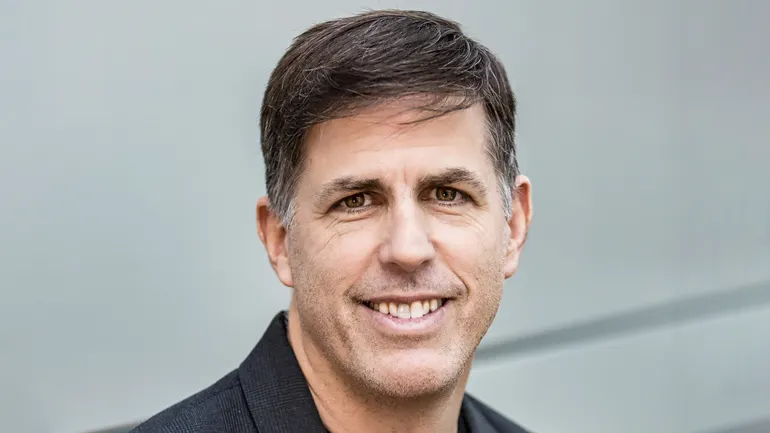
This article tells the story of how Kevin Fitzgerald, Chief Scientific Officer of Alnylam Pharmaceuticals, overcame the engineering challenges of RNAi technology to turn a Nobel Prize-level technology into marketed drugs. From early failures to the approval of the first drug Onpattro in 2018, and now four products on the market, Fitzgerald's journey demonstrates the power of persistence and innovation.