


Latest news

The biotech IPO market shows signs of recovery; Insilico Medicine and Astellas collaborate to explore AI research in women's health; Trump's drug tariffs have room for exemptions, with multiple pharmaceutical companies reducing rates through agreements.
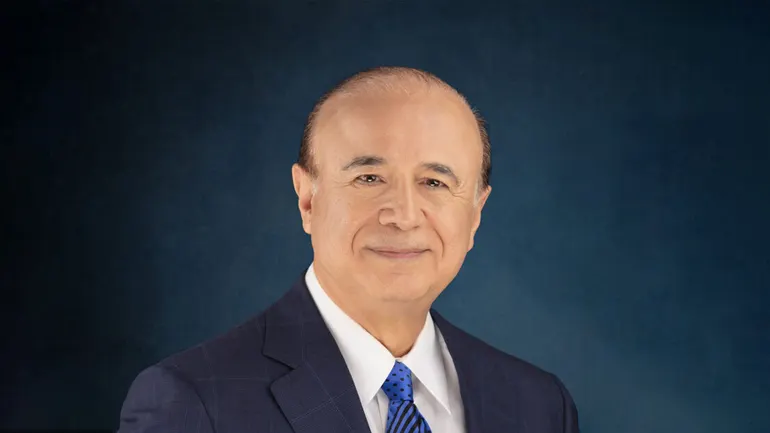
Nuclear medicine has multiple approved cancer treatments and diagnostics in the United States, and Dr. Ebrahim Delpassand, founder of RadioMedix, is a key figure driving this wave. From early introduction of therapies like Lutathera and Pluvicto to now focusing on unmet needs such as pancreatic cancer and brain tumors, he continues to lead the development and industrialization of radiopharmaceuticals.

In recent years, menopause has moved from behind the scenes to the forefront, with celebrities openly discussing it and telehealth startups emerging, fueling a $17 billion market. However, treatment demand far exceeds scientific support, as women's health research has long been underfunded, clinical trials lack adequate representation, and doctors face a shortage of evidence-based guidance. This article explores the challenges in the pharmaceutical industry's development of menopause drugs, the controversies and latest advances in hormone replacement therapy, and the future direction of personalized medicine.

After the U.S. Supreme Court rejected the Trump administration's tariffs in February, the White House announced in April the imposition of 100% tariffs on patented drugs and active ingredients under Section 232 of the Trade Expansion Act of 1962, subjecting the pharmaceutical industry to renewed supply chain and cost pressures.

The strikes by the US and Israel on Iran have left the Strait of Hormuz blockaded, affecting approximately 10% of global pharmaceutical shipments, with time-sensitive drugs impacted at a rate of 20%. Pharmaceutical companies are forced to adjust their supply chains, and experts warn that developing countries will be hit harder, urging the industry to enhance cooperation and geographic diversification.

The U.S. Food and Drug Administration (FDA) is pursuing an 'aggressive transparency' strategy, placing regulatory actions against pharmaceutical companies under public scrutiny by releasing complete response letters (CRLs) in real time, attaching inspection photos to warning letters, and strictly penalizing false advertising. Although this approach has been welcomed by investors, industry experts point out that it may cause companies to lose control over the narrative of their new products, facing risks of data misinterpretation, stock price volatility, and legal liabilities.

Former Acorda Therapeutics CEO Ron Cohen, after Acorda's bankruptcy, has joined Oryon Cell Therapies, a startup focused on autologous cell therapy for Parkinson's disease. Oryon emerged from stealth mode on Monday (original date) with $42 million in funding. In an exclusive interview, Cohen shared his confidence in autologous cell therapy, his assessment of Oryon's data, and his views on the Parkinson's disease treatment market.
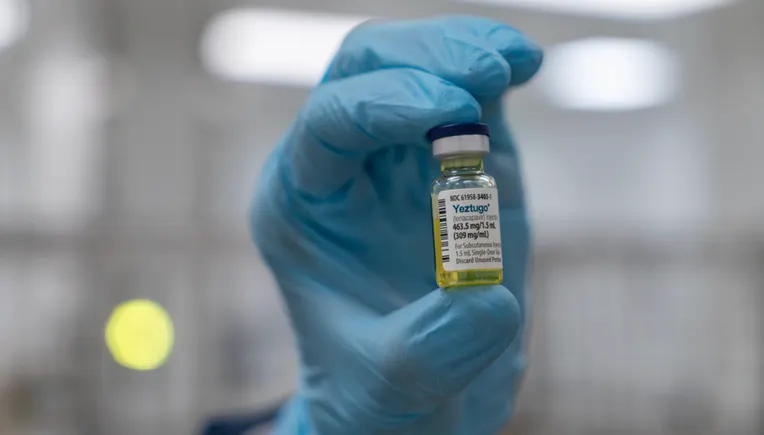
Gilead Sciences' HIV prevention drug Yeztugo (lenacapavir) has received FDA approval, demonstrating 100% efficacy in clinical trials. Despite obstacles such as funding cuts and cultural stigma, the company is advancing large-scale distribution through a global partner network, aiming to reach 2 million people over the next three years.

After the COVID-19 bubble burst and years of financing winter, the biotech industry is showing signs of recovery. Omar Khalil, Managing Director of Santé Ventures, states that the rebound in public market valuations, pharmaceutical companies' renewed focus on early-stage assets, and a shift in investor sentiment are jointly driving the industry toward spring.
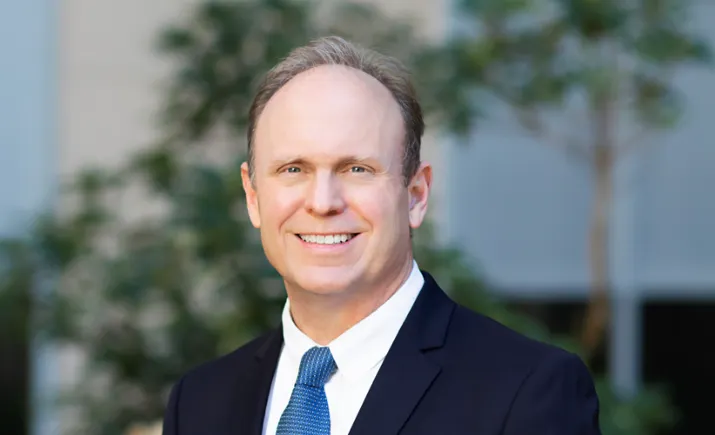
On the eve of Abbott's announcement of a $21 billion acquisition, Exact Sciences launched Riskguard, a hereditary cancer test, and deepened collaborations with pharmaceutical companies in precision oncology. This article interviews Dr. Rick Baehner, Chief Medical Officer of Precision Oncology, to explore how genetic testing is reshaping the breast cancer diagnosis and treatment landscape, driving targeted therapy development, and helping healthcare systems save billions of dollars.