


Latest news
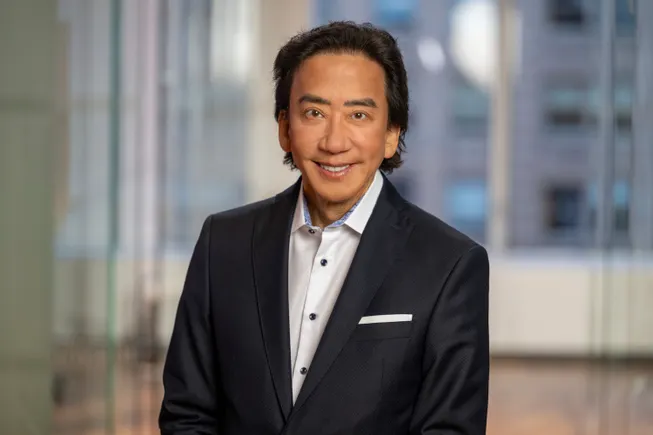
Nuvation Bio founder and CEO David Hung has repeatedly achieved success in biotech M&A through scientific rigor and financial discipline. This article analyzes his deal strategies from Medivation to Nuvation, covering asset selection, non-dilutive financing, and pipeline development.

At the 2026 BIO conference, multiple pharmaceutical leaders noted that although AI is increasingly applied in drug development, it has still not achieved the expected results in shortening R&D cycles, designing drugs from scratch, breaking through keyword limitations, implementing strategies, uncovering biological mysteries, and promoting big-picture thinking.

Recent frequent executive changes at pharmaceutical companies such as Novo Nordisk, Genentech, and Allogene reflect deeper trends of strategic adjustment and pipeline optimization in the industry.
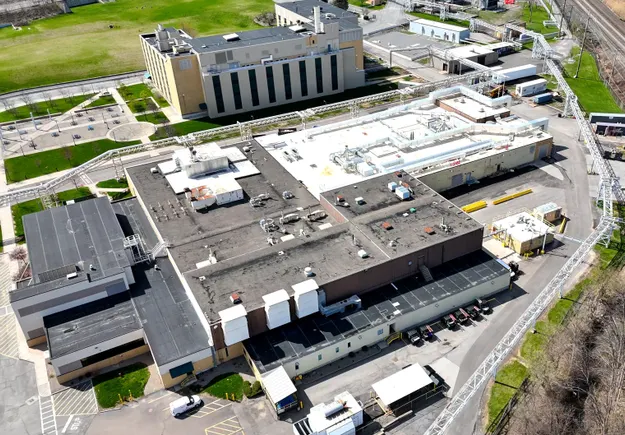
After receiving a Complete Response Letter from the FDA, Aquestive Therapeutics quickly resolved issues because its manufacturing facility is located in the U.S., and plans to resubmit its application in the third quarter. This case sparks discussion on the speed advantage of domestic manufacturing, but cost, talent, and supply chain risks remain challenges.

Orano Med is leveraging the unique resources of its parent company Orano in the nuclear fuel cycle to extract lead-212 at scale and advance targeted alpha therapy. The company has established collaborations with Sanofi and Roche, and its core asset AlphaMedix has shown positive Phase II data. CEO Frederic Desdouits stated that the company possesses a complete value chain from isotope extraction to drug production, with the goal of becoming a global leader in radiopharmaceuticals.

Ivermectin, an antiparasitic drug approved by the FDA in 1996, became a point of contention during the COVID-19 pandemic due to unproven efficacy claims. Now, the drug has regained public attention as early laboratory and animal studies suggest it may interfere with tumor cell signaling. Although professional organizations such as the American Cancer Society warn that it is unproven and no human trials have validated it, states like Florida have already invested funds to explore its anticancer potential, and related early-stage clinical trials are underway.
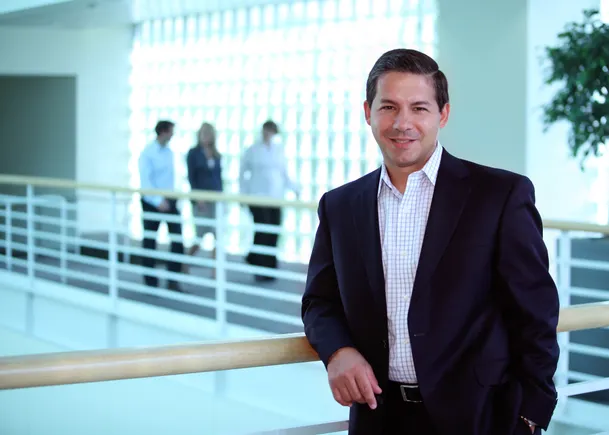
Rivus Pharmaceuticals is transitioning from a research-stage biotech, with new CEO Jorge Bartolome leading the global Phase III trial of MASH candidate HU6 while advancing muscle-sparing oral GLP-1 RV-8451 into the clinic. The company faces a competitive MASH and GLP-1 market but emphasizes its differentiated advantages.
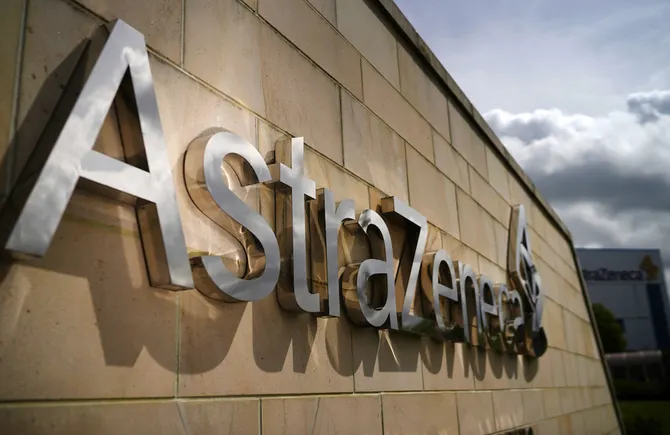
AstraZeneca is returning to the forefront of cardiovascular disease treatment with its first-in-class drug Baxfendy (baxdrostat). The drug was recently approved by the FDA for the treatment of resistant hypertension and is expected to become a new growth engine for the company in the cardiovascular, renal, and metabolic (CVRM) field. Company executives stated that Baxfendy's differentiated mechanism fills a more than two-decade innovation gap in this area, while the company is expanding its indications to chronic kidney disease, heart failure, and others, targeting peak annual sales of $5 billion.

Although Vertex's Journavx received FDA approval and made history, its sales have fallen short of expectations, and it has not fully filled the gap for non-opioid painkillers. Companies such as Tris Pharma are developing new drugs to fill this void.
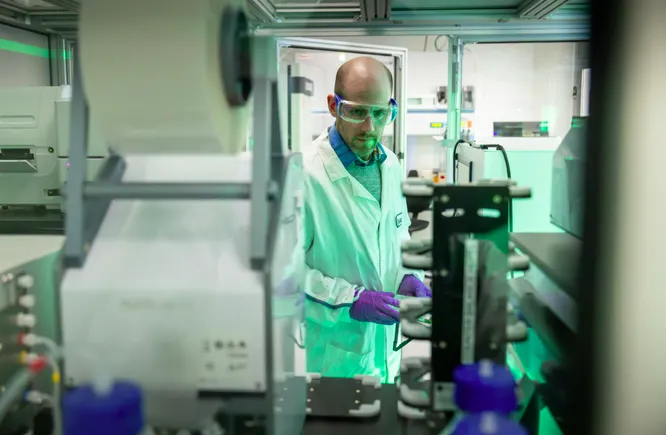
Bristol Myers Squibb is actively expanding its neuroscience field, particularly in Alzheimer's disease treatment. Company executives have stated they will go beyond amyloid targets to explore new mechanisms such as tau protein and neuroinflammation. Meanwhile, clinical trial results for its schizophrenia drug Cobenfy in Alzheimer's disease-related psychosis are highly anticipated.