


Latest news
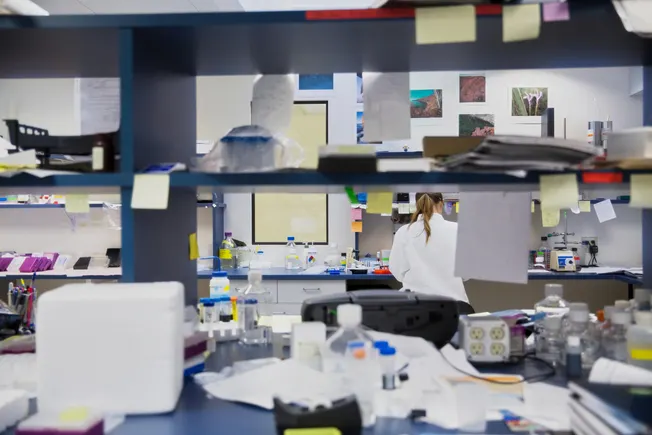
The survival of artificial intelligence at the FDA is no longer in doubt, but with the departure of its biggest champion, former Commissioner Makary, the path of integration and evolution may no longer be linear. Acting Commissioner Diamantis says AI remains a priority, but the successive departures of key figures such as the Chief AI Officer have raised questions about implementation prospects. Industry experts point out that the FDA's internal AI governance structure remains unclear and may revert to a decentralized departmental model; meanwhile, AI policies for sponsors have not loosened. Based on multiple sources, this article analyzes the evolution of the FDA's internal AI tool Elsa, transparency gaps, and future policy balance challenges.

This week's industry news: Eli Lilly acquires AtaiBeckley for $2.8 billion, deepening its neuroscience strategy and potentially prompting major pharma companies to follow in psychedelics R&D; HHS Secretary Kennedy promotes compounding of peptide drugs, raising safety concerns among the scientific community; the Ebola outbreak (Bundibugyo strain) in the Democratic Republic of Congo persists, with mixed vaccine strategies and experimental therapies entering clinical trials.
After a three-month pause, the FDA reissued a batch of Complete Response Letters (CRLs) on July 10, totaling 14 letters. According to an analysis by Pink Sheet, a Citeline publication, most rejection reasons involved product quality and facility deficiencies, with only three pointing to clinical issues. This article focuses on two of them: Ascelia Pharma's oral MRI contrast agent Orviglance was rejected due to issues with clinical image assessment methods, and Galderma's RelabotulinumtoxinA was rejected again due to facility deficiencies.

The biopharmaceutical industry is facing a series of intertwined new and old challenges: vaccine hesitancy can be traced back hundreds of years, clinical trial initiation timelines are delayed by bureaucratic processes, biotech financing is highly competitive, and information overload in the AI era is pushing the industry toward incremental improvements rather than disruptive breakthroughs. Several industry executives—including Silvia Taylor of Novavax, Mayank Gandhi of NEOK Bio, Dr. Anup Sabharwal of Syneos Health, and Svetlana Lucas of Scribe Therapeutics—shared their insights on these topics.
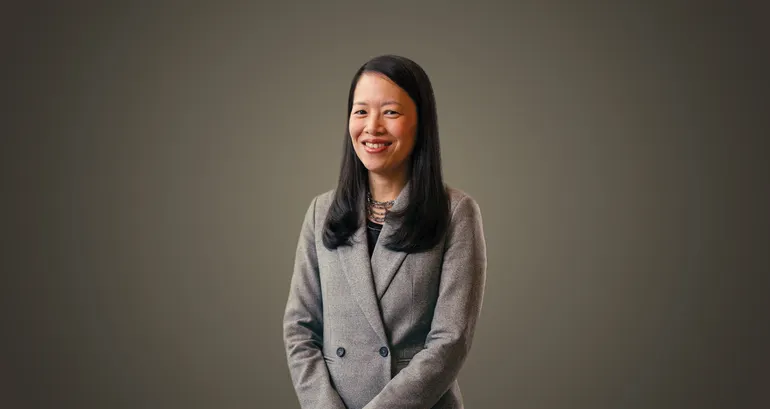
Riding on the strong momentum of its GLP-1 obesity and diabetes drugs, Eli Lilly has become the sales leader in the pharmaceutical industry. However, the company is expanding its drug pipeline through an aggressive investment strategy to solidify its top position. Evaluate reports project its annual sales could reach $137 billion by 2032. In the neuroscience field, Eli Lilly not only has the approved Alzheimer's drug Kisunla but is also exploring early intervention, tau protein targeting, and the new subcutaneous injection drug remternetug. Dr. Carole Ho, President of Neuroscience, outlines the company's ambitious blueprint to move from treatment to prevention.
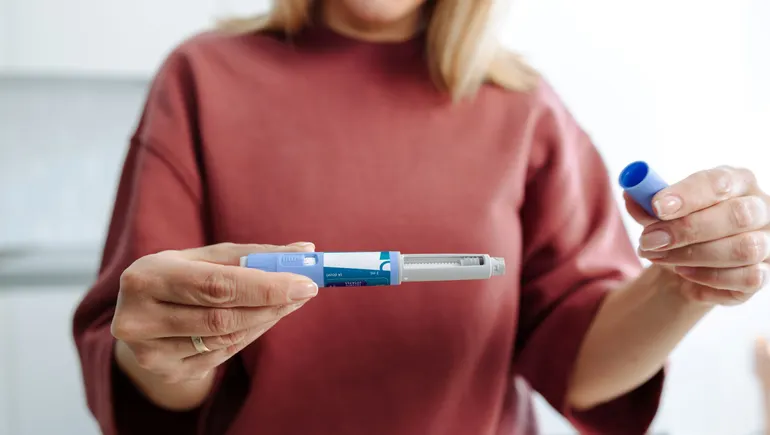
A recent Gallup survey shows that nearly four times as many Americans use GLP-1 weight-loss drugs, but about 20% still use versions not approved by the FDA. Compounding pharmacies held about 30% of the market at their peak in 2024, and although the FDA removed semaglutide and tirzepatide from the shortage list and proposed excluding them from the 503B bulk list, compounding pharmacies still maintain their market presence through "personalized" versions. Novo Nordisk and Eli Lilly have taken legal and regulatory actions, but public demand for alternative weight-loss solutions remains strong.

Deep Origin aims to use molecular physics and artificial intelligence to build predictive models that improve the success rate of drug development. Its long-term goal is to create a complete 'virtual human,' enabling computer-simulated trials to replace parts of real clinical trials. The company has received a $31.7 million contract from ARPA-H and plans to launch its first organ models by early next year.
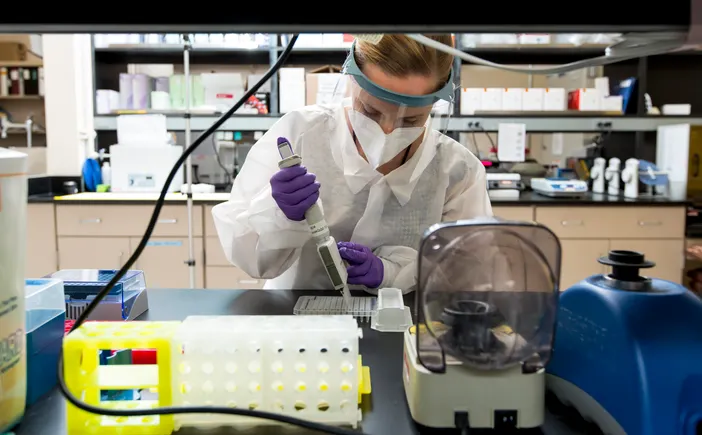
Galimedix Therapeutics is continuing to bet on the therapeutic potential of the amyloid hypothesis in Alzheimer's disease and other ophthalmic conditions with new modalities and earlier intervention strategies. Its candidate drug GAL-101 aims to target misfolded monomers, blocking the toxic cascade at its source, and potentially avoiding the ARIA risks associated with existing antibody drugs. The company plans to release Phase II data for dry AMD in 2028, using more precise retinal function measurements to validate its technological approach.

This article reviews the core reflections of four executives from Organon, Editas Medicine, Ardelyx, and Immunocore during their first 90 days in office, revealing key challenges and coping strategies in leadership transitions.

For decades, Boston and Cambridge have been synonymous with the biotech industry, but now, as the Greater Boston area experiences layoffs and a wave of vacant labs, nontraditional cities like Lancaster County, Pennsylvania, Oklahoma City, and Las Vegas are accelerating the development of biotech ecosystems through their manufacturing foundations, government investments, and educational institutions, becoming emerging hubs worth watching.