


Latest news

This week, merger rumors between Bristol-Myers Squibb and AstraZeneca shook the pharmaceutical industry, as a potential deal would form a global giant with a market value of about $400 billion. Although talks have reportedly been paused, the event highlights the strategic considerations of large pharmaceutical companies amid patent cliffs, pipeline development, and the regulatory environment. Analysts note that BMS faces a growth gap of approximately $38 billion, while AstraZeneca could potentially strengthen its R&D capabilities through the merger. The stance of the U.S. Federal Trade Commission remains a key variable.
AMO Pharma announced that the registrational trial design for its rare disease candidate drug AMO-02 has been approved by the US FDA, the UK's Medicines and Healthcare products Regulatory Agency (MHRA), and Health Canada, allowing hospitalization rate to be used as the primary efficacy endpoint. The company's CEO, Mike Snape, stated that this may be the first time regulators have permitted such an endpoint in late-stage orphan drug studies. The design aims to address the high heterogeneity of clinical manifestations in congenital myotonic dystrophy and could impact the field of rare disease drug development.
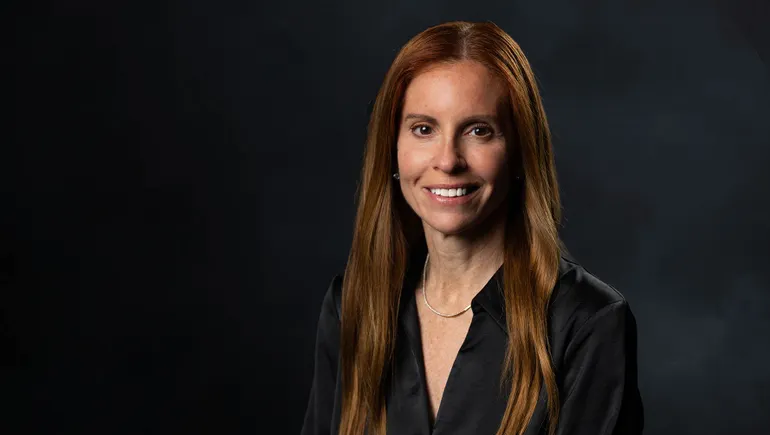
Merck was once a leader in infectious diseases and immunology, and the arrival of Keytruda made it dominant in oncology. However, with Keytruda's core patents set to expire in 2028 and biosimilar competition poised to impact its performance, Merck has been rated by Evaluate as the pharmaceutical company most exposed to patent risk in the near term. To address this challenge, Merck is actively reinventing itself through a series of acquisitions (such as Terns Pharmaceuticals, Cidara Therapeutics, and Verona Pharma) and pipeline diversification. This article, based on an interview with Merck's Vice President of Business Development, Elizabeth Naldi-Jacob, explores its M&A strategy, its expansion beyond oncology, and its exploration of emerging fields such as obesity and neuroscience.

U.S. President Trump once again threatened the pharmaceutical industry with tariffs, announcing plans to impose a 100% tariff on generic drugs manufactured outside the U.S. starting August 1, 2028, increasing to 200% the following year. The proposal has not yet been formally announced. Tinglong Dai, a professor at the Johns Hopkins Carey Business School, believes that the conditions that have long hindered domestic production of generic drugs remain largely unchanged, and this plan may only raise drug prices without facilitating factory reshoring. Data shows that over 90% of daily medications used by Americans are generic drugs, with more than 80% of their active pharmaceutical ingredients (APIs) sourced from overseas. A study involving Dai indicates that a 100% tariff on generic drug APIs could raise prices of related drugs by up to 30%.

Courier Health's annual survey shows that 83% of biopharma companies now manage field access and reimbursement internally, with internal ownership of patient services rising from 48% to 54%. However, nearly 60% of commercial leaders cannot reliably access and analyze data, and fewer than 10% have achieved the data maturity needed to support AI use cases. The alignment gap between IT and business is significant (81% vs. 59%), highlighting structural issues in infrastructure and collaboration.

This week, PharmaVoice highlights three major developments: a new study based on Yescarta clinical trial data identifies genes associated with cytokine toxicity, offering clues for designing safer CAR-T therapies; Summit's bispecific antibody ivonescimab has about a 67% probability of FDA approval on the Kalshi prediction market; additionally, Curium is reportedly in advanced talks to acquire Lantheus for approximately $7 billion.
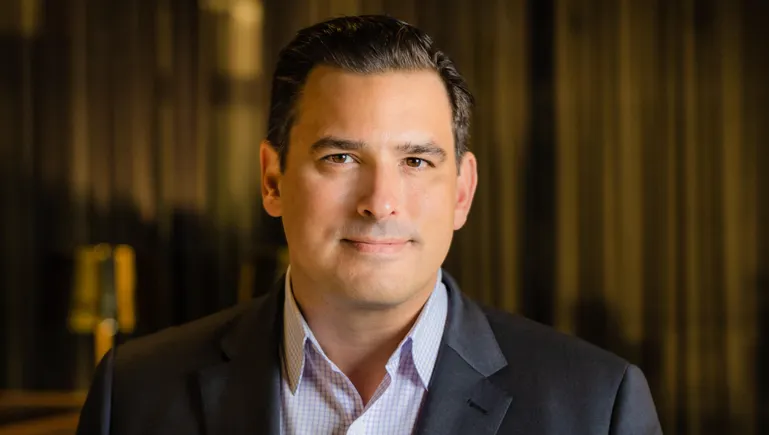
Amid the growing popularity of the radiopharmaceutical field, Telix Pharmaceuticals and Regeneron have reached a collaboration agreement potentially worth $2.1 billion. Telix Founder and CEO Christian Behrenbruch revealed that its manufacturing platform and clinical experience were key to winning the partnership. This article outlines the collaboration details, Telix's pipeline layout, and market strategy.
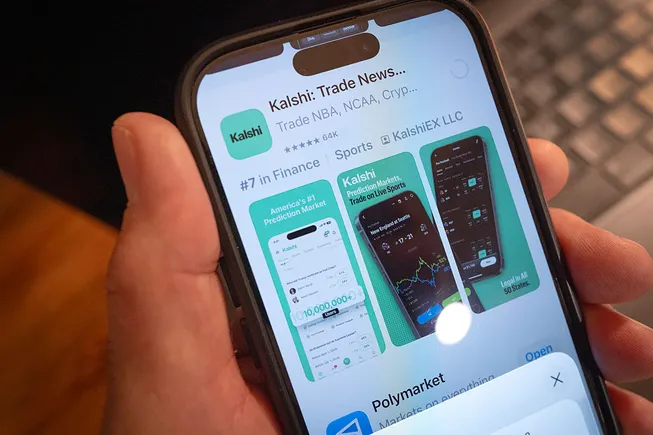
Kalshi launched a pilot this month, bringing prediction markets to drug development, allowing users to bet on clinical trials, FDA decisions, and drug approvals for companies like Sanofi and Gilead Sciences. Supporters such as CFTC Chairman Mike Selig believe it can help patients manage risk, but drug development professionals and analysts warn it may lead to issues like insider trading, market manipulation, and declining public trust. Opponents have launched a petition urging regulators to ban such betting.
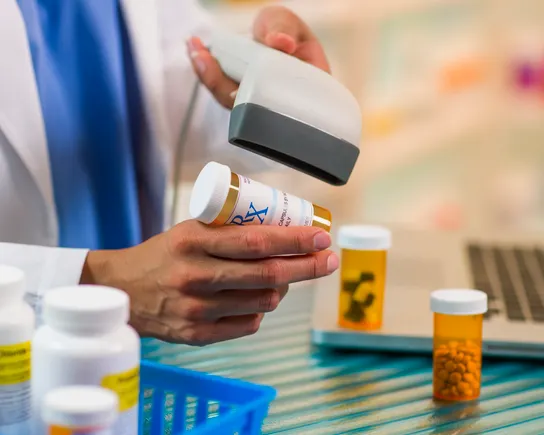
A new study published in JAMA shows that between 2018 and 2024, formulary-based denial rates for brand-name drugs rose by 67%, with weight-loss drugs having an initial approval rate of only 14.8%. The study analyzed over 2 million prescriptions from 1.17 million people and found that nearly one-third of first fills were denied, and nearly half were not filled within 90 days. GLP-1 drugs had the highest absolute number of denials, but weight-loss drugs had higher denial rates.