


Latest news
President Donald Trump on Wednesday nominated Heidi Overton, a top White House policy aide and physician, to lead the Food and Drug Administration. The announcement was made by Health and Human Services Secretary Robert F. Kennedy Jr. via a post on X, following a Bloomberg News report on Tuesday evening. Overton, who lacks drug regulatory experience, would step into an agency that has faced leadership turmoil and policy unpredictability. If confirmed by the Senate, she would replace interim commissioner Kyle Diamantas, who has been seen as a stabilizing force. Industry analysts express uncertainty about her impact on biopharma and drug review flexibility.
Eli Lilly and Novo Nordisk are racing to expand their GLP-1 franchises, but recent earnings and surveys suggest that cost, prescriber satisfaction, and public perception may be as influential as clinical performance. This analysis examines the latest data, including Lilly's Q2 revenue surge, the slower-than-expected uptake of oral GLP-1s, and the barriers posed by high prices and stigma.
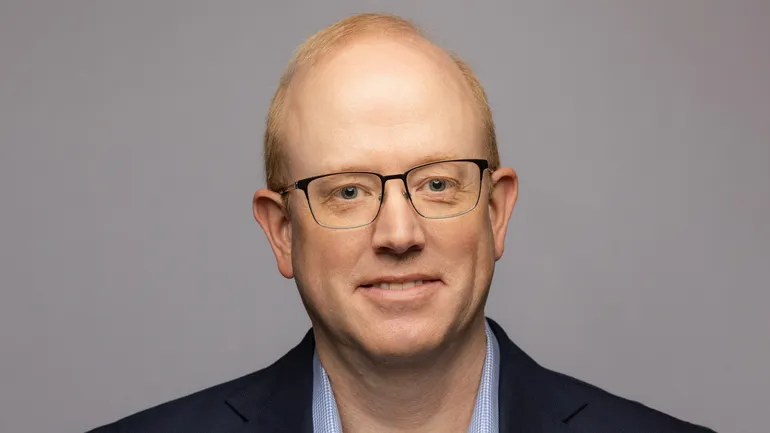
Helus Pharma新任CEO Michael Halstead正以规模化战略推进公司致幻剂药物管线。凭借在Intra-Cellular Therapies期间主导146亿美元并购的经验,Halstead计划将HLP003(III期)与HLP004等资产推向后期开发与商业化,同时应对Compass Pathways、Definium Therapeutics等竞争对手的挑战。
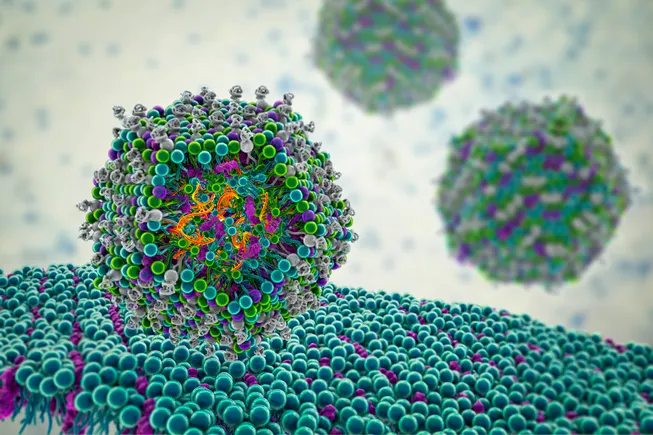
Moderna's mFlusiva received FDA approval for adults 50 and older, becoming the first mRNA flu vaccine in the U.S. Despite phase 3 efficacy of 26.6% over standard flu shots, the company faces significant market and regulatory challenges, including strain selection timing and missed contracting cycles.
This week's industry briefing covers BMS's $2.3 billion Houston manufacturing investment as part of a $40 billion U.S. commitment, Regeneron's venture backing of Infinimmune's $75 million Series A for Dupixent competitors, and Eli Lilly's capture of 61% of the U.S. GLP-1 market in the latest quarter.
BioNTech, once a household name due to its COVID-19 vaccine, is returning to its oncology roots. With Comirnaty sales plummeting and a net loss of $1.56 billion in the first half of 2026, the company has appointed Guido Oelkers as its new CEO, effective by Feb. 1, 2027. Oelkers, who quadrupled Sobi's revenue since 2017, will oversee the transition of BioNTech's cancer pipeline into a sustainable business, leveraging a cash position of $19.2 billion. The company faces challenges including political attacks on mRNA technology, planned layoffs of up to 1,860 jobs, and the departure of co-founders Ugur Sahin and Özlem Türeci by end of 2026.

As pharmaceutical manufacturing investment reaches historic levels, multiple U.S. regions are launching or winning government-backed biotech programs. Pennsylvania and New York introduced new initiatives this year, while Kansas City and Central Virginia secured federal Tech Hubs funding. Industry experts note these incentives complement—but do not replace—fundamental infrastructure factors like workforce and education in attracting major capital projects.

Even blockbuster drugs can disappoint investors. In the latest earnings season, Alnylam's Amvuttra, AbbVie's Imbruvica, Merck's vaccine portfolio, and Roche's Vabysmo all fell short of consensus estimates, each for distinct reasons ranging from demand normalization to policy shifts and market competition.
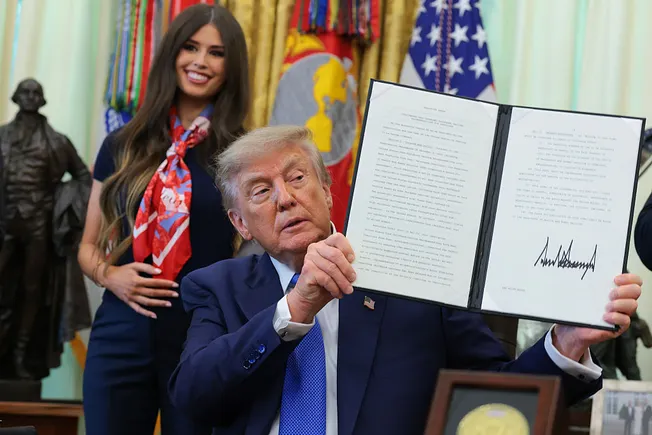
President Trump signed an executive order attempting to change the long-standing U.S. childhood immunization schedule, reducing universally recommended vaccines from 17 to 11 and requiring the MMR vaccine to be split into separate doses. The order provides no new scientific evidence, contradicts established scientific consensus, and its legal authority is unclear. Organizations such as the American College of Physicians have expressed concern, and Senate Health Committee Chairman Cassidy publicly criticized it. Earlier reform attempts by HHS Secretary Kennedy had been blocked by courts.
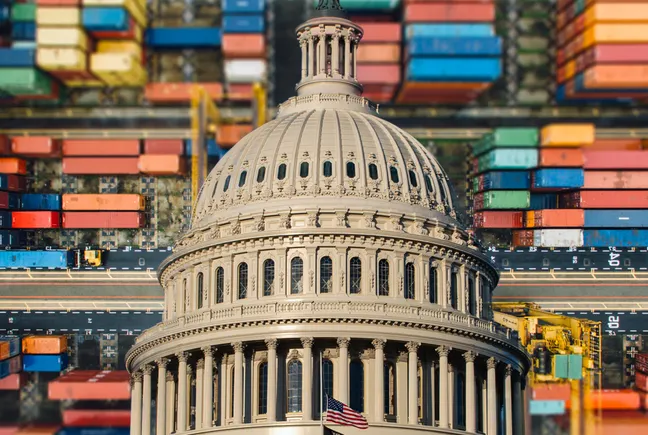
The U.S. imposes 100% tariffs on brand-name drugs, but 17 large pharma companies with localization plans and most-favored-nation pricing agreements with the government are exempt; generics may face 200% tariffs in the future. BMS CEO says there is no urgency for M&A, with the year's largest deal being a 13-project collaboration with Hengrui Medicine. Merck lowered its 2026 profit guidance due to one-time costs from the Terns acquisition, but Keytruda performed strongly.