


Latest news
Receptor.AI and Sethera Therapeutics announced a strategic collaboration on August 5, 2026, aimed at building an end-to-end design-make-test-analyze (DMTA) cycle for macrocyclic peptide drugs. The collaboration will combine Sethera's enzymatic platform with Receptor.AI's computational capabilities to advance lead optimization against difficult-to-drug targets.

Veloxis has agreed to pay more than $46 million to resolve criminal and civil charges arising from its promotion of the kidney transplant immunosuppressant Envarsus XR through sham consulting arrangements, improper pharmacy payments, and lavish entertainment. The settlement includes approximately $10.04 million in criminal fines, a three-year deferred prosecution agreement, a $34.45 million civil settlement, and a $1.55 million Sunshine Act penalty. Whistleblower attorneys noted that insiders discovered the truth before the government, but only one proactively reported it.
Saw.com has listed GLP1.com for sale, a scarce .COM domain that precisely matches the entire GLP-1 healthcare category. J.P. Morgan predicts the related market will reach approximately $200 billion by 2030, when 25 to 30 million Americans may receive treatment. The domain is category-neutral, helping holders establish brand leadership in the rapidly growing healthcare sector.
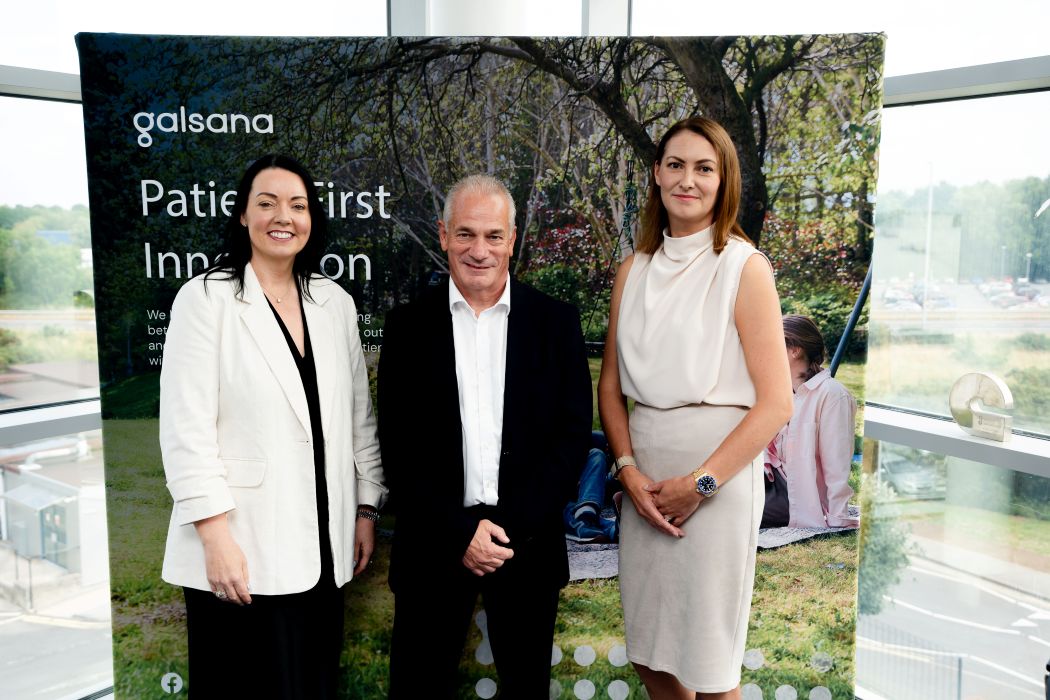
Galen Ltd and POA Pharma announced the launch of Galsana at the SSIEM Annual Symposium in Helsinki as a new global brand for their metabolic portfolio, integrating existing products, professional support, and services to serve patients with rare metabolic diseases under a unified identity.
ACTO announces its attainment of Veeva Gold Product Partner status, building on nearly a decade of collaboration with Veeva to jointly serve life sciences customers, enhancing field team training, practice, and execution capabilities through validated integrations.

Following the departure of former FDA Commissioner Marty Makary, the agency-level AI strategy he championed faces uncertainty. Although Acting Commissioner Kyle Diamantas stated that AI remains a priority, attrition in key positions such as the Chief AI Officer may cause the FDA's internal AI applications to revert to a fragmented model. Industry expert Tala Fakhouri believes that regulatory policy toward sponsors' use of AI will not change in the short term, but balancing transparency and rulemaking processes will be a future challenge.

Following the FDA approval of the long-acting HIV prevention drug Yeztugo, Gilead Sciences faces the challenge of reaching populations with lower PrEP usage. The company launches a new ad campaign called 'Up to Date,' partnering with comedians Nicole Byer and Devon Walker, using humor and real dating scenarios to drive conversations about HIV prevention in Black communities. This campaign is a continuation of 'Care for the Culture,' led by Black creators, aiming to reduce stigma and promote health equity through authentic storytelling.
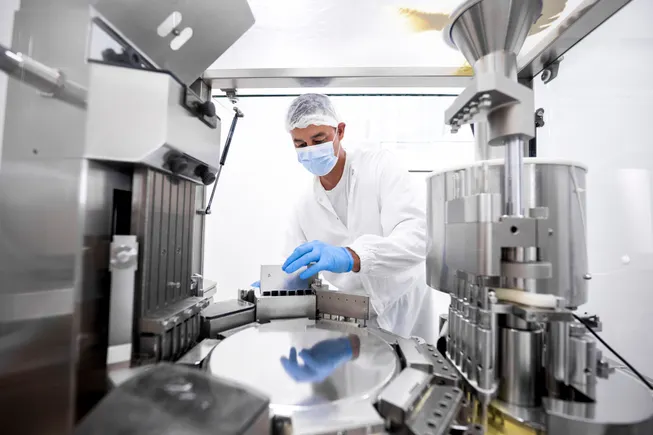
Behind the rapid growth of autologous CAR-T therapies (such as Carvykti) lies a fundamental challenge: each dose corresponds to one patient, so growth means continuously replicating individualized manufacturing processes rather than increasing output per batch. Legend Biotech and Johnson & Johnson's capacity expansion in Raritan, New Jersey, along with a 99% manufacturing success rate and a median turnaround time of 29 days, highlights the difficulty of maintaining reliability at scale. Industry experts point out that automation, closed processing, and early process design are critical, while next-generation technologies such as in vivo CAR-T may simplify this chain.

Drug development for social anxiety disorder has long faced difficulties, and the recent failures of two Phase III studies have further pressured the field. Lilly spent approximately $2.8 billion to acquire AtaiBeckley, and its candidate drug EMP-01 showed positive signals in a Phase IIa trial. Experts believe that failed studies do not mean failed drugs, and the significant effect sizes of psychedelic compounds may offer new ideas for breakthroughs.
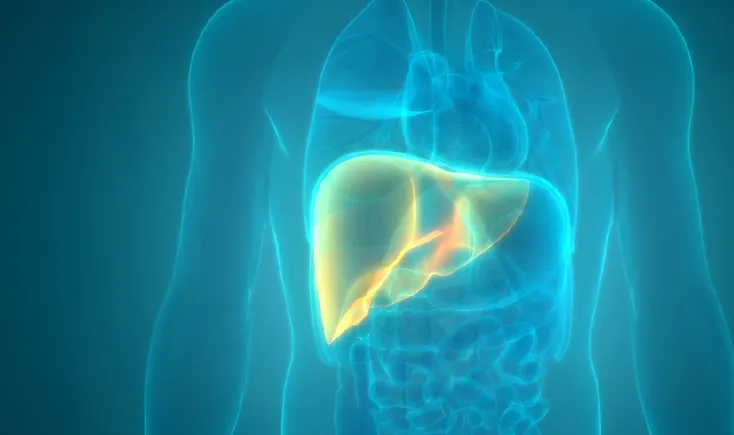
The global burden of obesity-related chronic diseases, such as MASLD, type 2 diabetes, and cardiovascular disease, continues to rise, and early intervention is seen as the most promising path, yet from the developer's perspective, it is also the narrowest and most risk-laden. Historically, early intervention trials have been difficult to conduct due to the lack of precise identification of eligible populations. However, advances in multiparameter risk prediction models are changing this landscape, making prescreening possible. Using MASLD as an example, this article analyzes how risk stratification tools, the 2026 CKM guidelines, and prescreening studies such as ALIGN enhance trial feasibility, while also cautioning that highly selective designs may pose barriers to post-marketing application.