


Latest news

The gene therapy ABBV-RGX-314, co-developed by Regenxbio and AbbVie, aims to address wet age-related macular degeneration (wet AMD) and diabetic retinopathy through a one-time treatment. Latest data from the Phase 1/2a study show that vision improved or stabilized in most patients after two years. If approved, the therapy could disrupt the existing anti-VEGF drug market, which already generates annual sales exceeding ten billion dollars.

Merger and acquisition activity in the pharmaceutical industry continues to heat up, with technology integration becoming a key element. eClinical Solutions CEO Raj Indupuri points out that data is the most valuable asset in M&A, and industry fragmentation is driving consolidation in the technology sector. This article explores M&A trends, technology challenges, and changes in the regulatory environment.

Verastem Oncology plans to submit an accelerated approval application to the FDA for the combination of avutometinib and defactinib in low-grade serous ovarian cancer by the second half of 2025. New CEO Daniel Paterson outlines the company's preparation for the transition from R&D to commercialization, collaborations with Amgen and Mirati, and the broad prospects for RAS pathway therapies.

Although the value of women in leadership roles in pharmaceuticals and biotechnology is widely recognized, the gender leadership gap in the industry remains. Lori Lebson, Senior Vice President of Medical Affairs for North America at EMD Serono, emphasizes that diversity does not happen naturally and must have clear goals. She discusses the company's initiatives in women's leadership and points out gaps in the industry regarding funding, mentorship networks, and parenting support.

Armon Sharei once thought he would never start another biotech company. After experiencing the full cycle of SQZ Biotechnologies from glory to liquidation, he founded Portal Biotechnologies with new insights, shifting to providing cell delivery tools rather than developing drugs. This article is a BioPharma Dive interview with Sharei, exploring the lessons he drew from failure and his renewed understanding of industry risks.
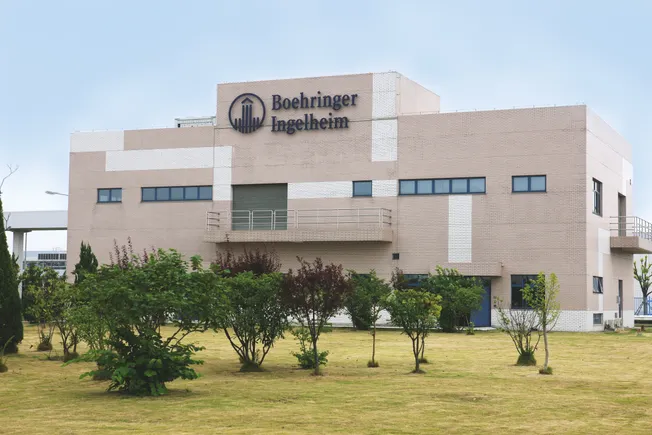
Boehringer Ingelheim has established a new 'Patient Excellence' division, led by pharmacist-turned-executive Deborah Reardon, integrating patient advocacy, support, and education teams to reshape the entire patient journey.
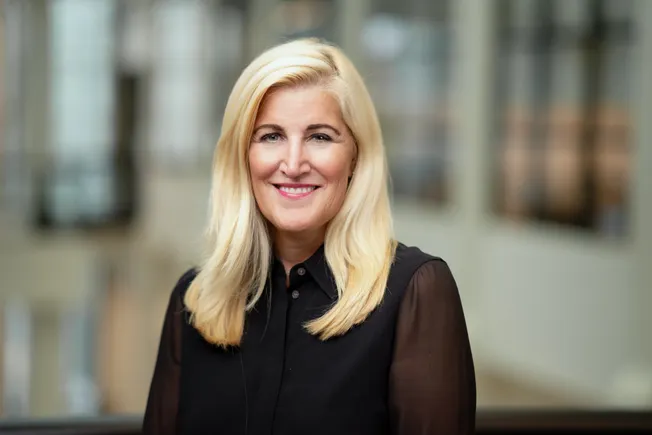
Debra Weiss was persuaded to transition to GMP during her tenure at Shire, where she learned the essence of leadership. Now as COO of the Gates Medical Research Institute (Gates MRI), she applies this philosophy to global health projects such as tuberculosis vaccines, emphasizing the critical role of operations teams in scientific execution.
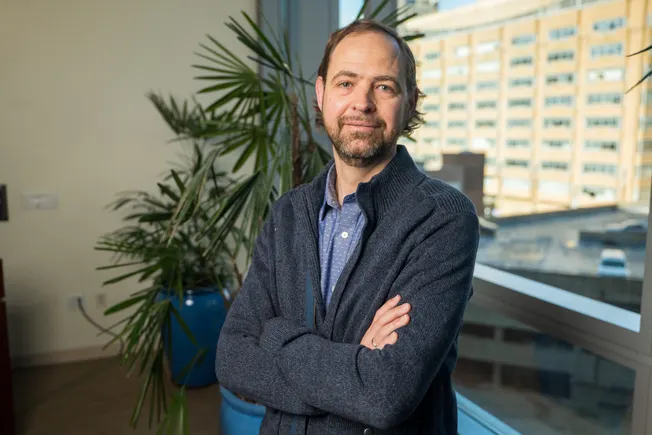
Proteomics provides critical insights for drug development by analyzing the 80,000 to 400,000 proteins in the human body. Bogdan Budnik, Chief Scientist at the Wyss Institute at Harvard University, emphasizes that single-cell proteomics can precisely identify the cells affected by diseases, aiding the development of new drugs for cancer, diabetes, and neurodegenerative diseases. Despite the technical complexity, automation and robotics are driving this field toward practical applications.

GlaxoSmithKline's (GSK) Shingrix vaccine is highly effective in preventing shingles but has notable side effects. Curevo Vaccine is developing a vaccine called amezosvatein, which in Phase 2 trials showed immune response rates comparable to Shingrix while causing fewer adverse reactions, potentially breaking the current market monopoly.

The Biden administration is considering invoking federal 'march-in rights' under the Bayh-Dole Act to seize patents on taxpayer-funded drugs on the grounds of 'unreasonable pricing.' In an interview, former Director of the US Patent and Trademark Office, Andrei Iancu, stated bluntly that this proposal would not help lower drug prices but would instead have a 'devastating' impact on innovation at universities and federal laboratories, and would drive industrial capital away from the commercialization of such research.