


Latest news
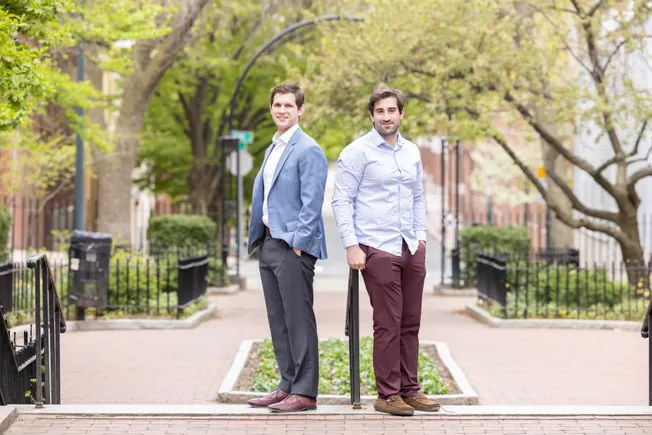
Months after withdrawing its ALS drug Relyvrio, Amylyx Pharmaceuticals acquired the GLP-1 receptor antagonist avexitide for $35 million through a bankruptcy auction, planning to initiate a Phase III trial in the first quarter of 2025. In an interview, co-CEOs Josh Cohen and Justin Klee reflect on lessons from Relyvrio's failure, emphasize biomarker application, and express optimism about avexitide's potential in post-bariatric surgery hypoglycemia and congenital hyperinsulinism.
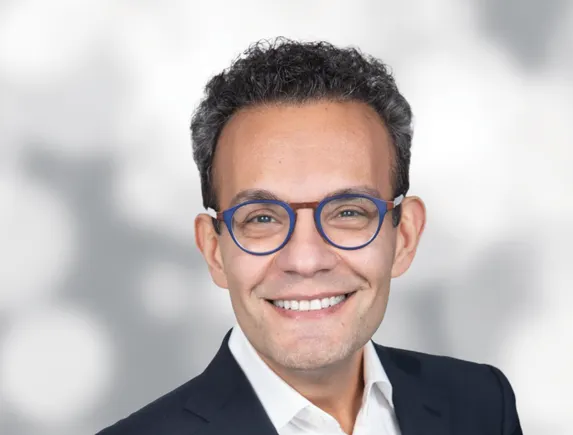
BeiGene is challenging mature blockbuster drugs in hematologic oncology with its next-generation BTK inhibitor Brukinsa, while advancing a pipeline of novel mechanisms including the BCL2 inhibitor sonrotoclax and BTK degraders. The company's Chief Medical Officer for Hematologic Oncology, Mehrdad Mobasher, elaborated on its research-driven, cross-pipeline synergistic differentiation strategy.
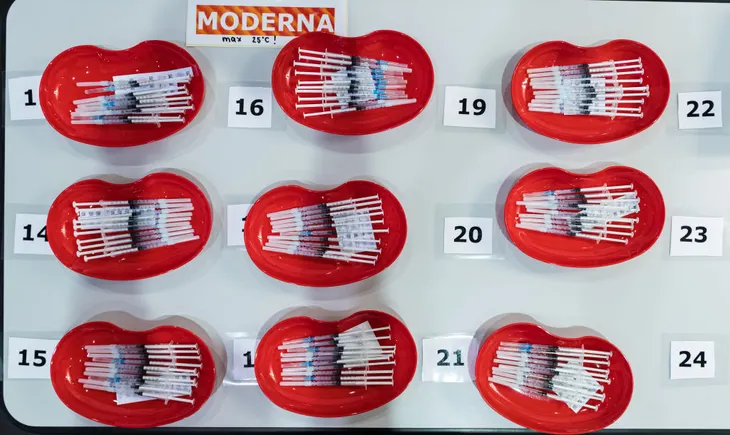
Moderna's combined COVID-flu vaccine showed positive efficacy in late-stage studies, and the company hopes to improve adult vaccination rates with it, planning a launch in the fall of 2025.
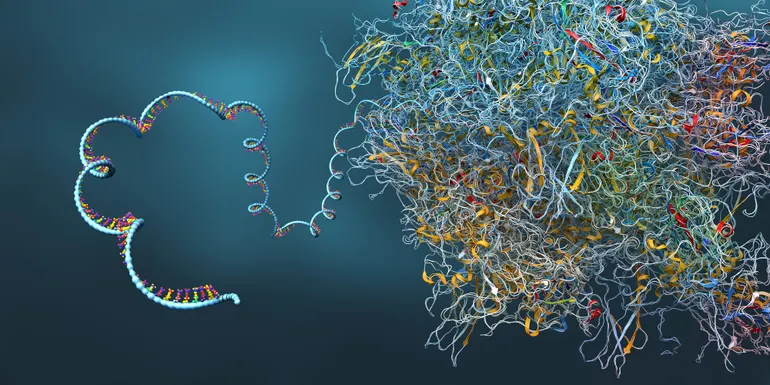
Omega Therapeutics' new Chief Business Officer, Kaan Certel, said that after completing the weight-loss drug collaboration with Novo Nordisk, the company is actively seeking new partners. Certel emphasized that the interest of large pharmaceutical companies in the platform validates its technological approach, and the reprioritization of pipelines within the industry has created opportunities for small biotech companies.

Drug launches are facing multiple challenges, including patent cliffs, regulatory scrutiny, and a tightening investment environment. Eversana CEO Jim Lang states that the industry is entering a recognizable cycle, with large pharmaceutical companies beginning to focus on the CFO and procurement levels throughout the commercialization process. He warns that nearly two-thirds of drug launches fail to meet expectations, and starting preparation two to three years in advance can significantly improve success rates.
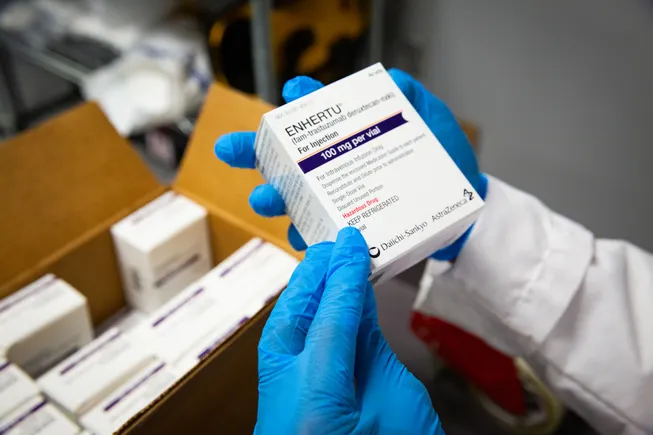
Daiichi Sankyo is experiencing the 'most exciting moment' in its century-long history. With the blockbuster ADC drug Enhertu, developed in partnership with AstraZeneca, the company has established a leading position in the antibody-drug conjugate field and plans to achieve its goal of ranking among the global top-10 oncology companies ahead of schedule through multiple new drug approvals and collaborations.
Amid persistent health inequities, AstraZeneca is leveraging AI collaborations and screening programs to tackle the 'postcode lottery' problem in cancer care. Mohit Manrao, its U.S. oncology head, notes that innovation has outpaced equitable access, and AI could help reveal disparities and improve screening and accessibility through data. However, he also stresses the need to guard against algorithmic bias and ensure AI fairness through diverse biological samples and community partnerships.

Months after winning approval for the first CRISPR gene-editing therapy, Vertex Pharmaceuticals is approaching a critical FDA review milestone for its non-opioid analgesic suzetrigine. The company's Chief Scientific Officer, David Altshuler, points out that 'target conviction' in targets with human causal biological evidence, along with a high-intensity strategy allocating over 70% of operating expenses to R&D, forms the cornerstone of its 'serial innovation.' From betting on cystic fibrosis in 2012 to now addressing pain, kidney disease, and diabetes, Vertex is attempting to prove its model is replicable.
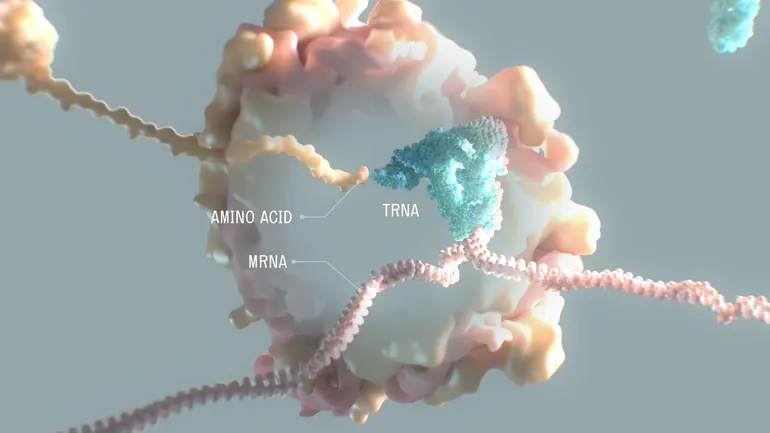
Michelle Werner is currently CEO Partner at Flagship Pioneering and CEO of Alltrna, having previously held positions at Bristol-Myers Squibb, AstraZeneca, and Novartis. She is leading Alltrna in advancing tRNA therapies, a platform with the potential to treat thousands of diseases, though it has not yet entered the clinical stage. Werner combines her personal experience with rare diseases and pharmaceutical expertise to drive the company's growth.

Neuroscience is undergoing a paradigm shift from symptom suppression to fundamental treatment. Dr. Jeremy Levin, CEO of Ovid Therapeutics, points out that technological advances such as small-molecule targeting, AI-assisted drug design, high-resolution MRI, and functional EEG have made 'curing brain diseases' possible. The company's lead candidate, soticlestat, is in Phase III clinical trials and has the potential to become a blockbuster. Levin emphasizes that the industry must learn from failures and focus on the central role of inflammatory mechanisms in various neurological diseases.