


Latest news
Roche has reached a $1.65 billion licensing agreement with Zealand Pharma for the amylin analog petrelintide, which aims to provide weight-loss effects comparable to GLP-1 but with fewer side effects. The total deal value could reach $5.3 billion, making it the largest weight-loss drug deal to date.

Amid a surge in AI M&A deals, the merger of Recursion Pharmaceuticals and Exscientia, valued at approximately $700 million, has become the largest AI acquisition in the life sciences field to date. Recursion CFO Ben Taylor believes that integrating AI companies into traditional drug development processes requires creative thinking and full commitment. The merged company has 10 pipeline programs and has established collaborations with major pharmaceutical companies such as Sanofi and Roche. Taylor shared insights on the disruptive impact of AI in biopharma, considerations for partnerships versus acquisitions, and challenges in big data applications.

Immunocore's new CFO and head of corporate development, Travis Coy, previously led M&A at Eli Lilly. He is leveraging his big pharma experience to seek partnerships and acquisition opportunities for this mid-sized biotech with a blockbuster melanoma drug and a deep immunotherapy pipeline.
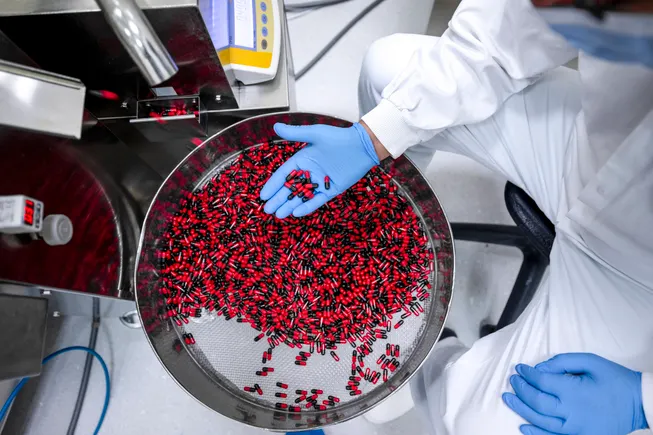
Lilly and Merck, in partnership with Purdue University, have established the Young Institute Pharmaceutical Manufacturing Alliance, focusing on the development of new technologies such as aseptic processing, aiming to promote the reshoring of U.S. pharmaceutical production and address tariff challenges.

Scribe Therapeutics is a preclinical-stage biotechnology company co-founded by CRISPR pioneer Jennifer Doudna, dedicated to using the CRISPR platform to develop one-time gene medicines for the prevention of cardiometabolic diseases. Its X-Editor and ELXR platforms can be used synergistically or independently, aiming to enhance the safety and reversibility of gene editing. The company is advancing its lead candidate, STX1150, toward the clinic to lower low-density lipoprotein cholesterol levels, and has established partnerships with pharmaceutical companies such as Sanofi and Eli Lilly.
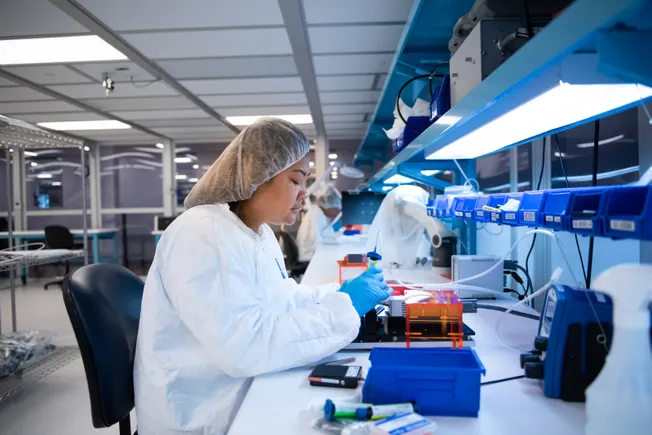
Fractyl Health recently announced a strategic shift, focusing on the weight maintenance market after discontinuation of GLP-1 drugs. Its core product Revita has received FDA Breakthrough Device Designation, and the company plans to initiate the first-in-human study of its gene therapy RJVA-001 in 2025.
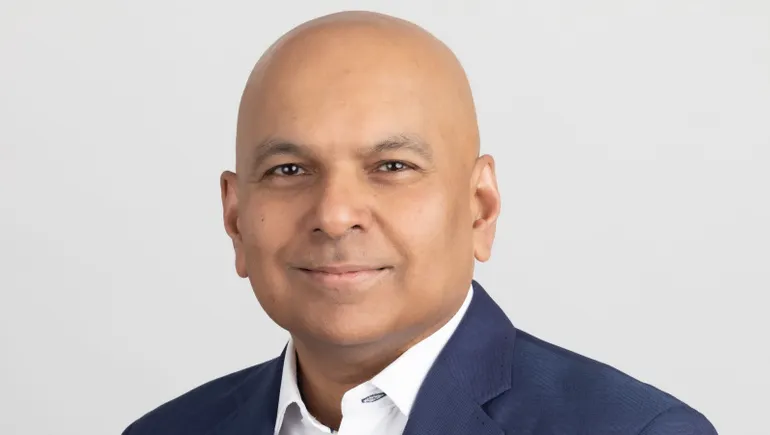
Under the leadership of CEO Arun Swaminathan, Coya Therapeutics, with a solid financial position and strategic collaborations, is advancing its lead candidate Coya-302 into a Phase 2b trial, aiming for key data by 2026. The company focuses on regulatory T cells to address neuroinflammation and plans to establish a differentiated advantage in diseases like ALS through combination therapies.

After cutting half its staff and reducing manufacturing costs at the end of 2023 to save on clinical expenses, Candel Therapeutics' viral immunotherapy CAN-2409 met the primary endpoint of disease-free survival in a Phase III prostate cancer trial. The company plans to submit a marketing application to the FDA in the fourth quarter of 2026 and is expanding the same therapy to indications such as non-small cell lung cancer, pancreatic cancer, and high-grade glioma.

In 2024, AI became mainstream in the pharmaceutical industry, with AlphaFold winning the Nobel Prize in Chemistry marking a new era. Looking ahead to 2025, industry leaders predict that AI will play a greater role in drug discovery, clinical trials, personalized medicine, patient safety, and other areas, while also facing challenges such as talent shortages and regulatory uncertainty.