


Latest news
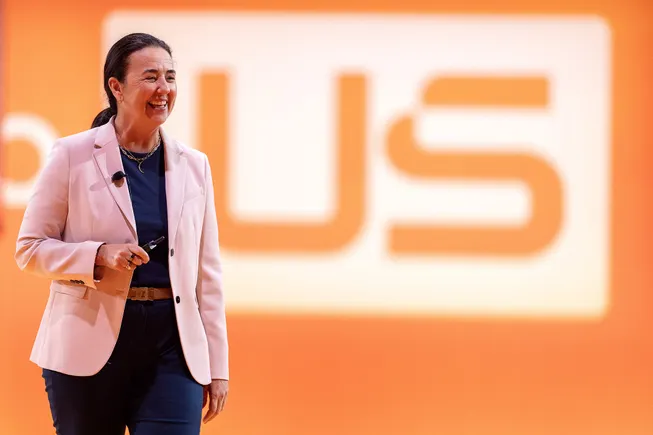
How Maya Martinez-Davis, President of GSK US, balances frequent travel and new product launches amid declining vaccine sales and regulatory uncertainty, driving the company's transformation toward specialty medicines and oncology pipeline.
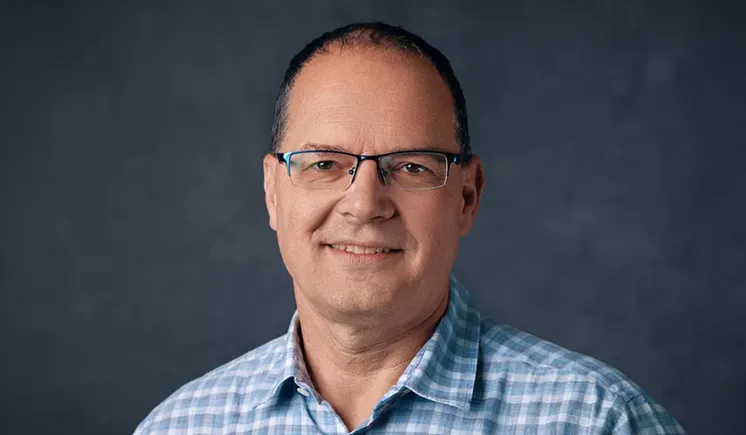
Former Wall Street analyst Ronny Gal joined Novartis in 2022 as the newly created Chief Strategy and Growth Officer. He assisted CEO Vas Narasimhan in driving the company's divestiture of non-core businesses such as Sandoz, focusing on core therapeutic areas like oncology and cardiovascular, and led acquisitions including Chinook and Anthos to address patent cliffs and industry competition.
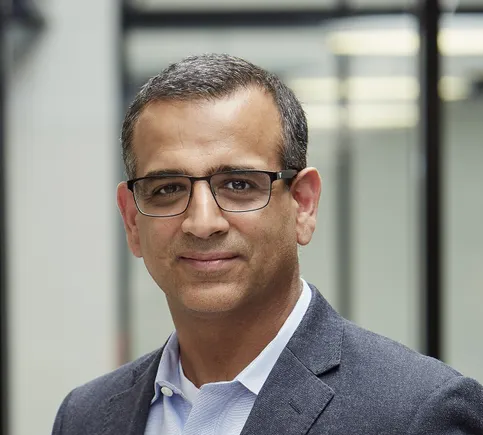
Utpal Singh, an executive who calls himself a "drug hunter" on LinkedIn, has moved from Lilly's small molecule business to Zealand Pharma, a biotech focused on peptides, as Chief Scientific Officer. Zealand recently entered into a partnership with Roche valued at up to $5.3 billion to advance its obesity candidate petrelintide. Singh's arrival comes as multiple obesity programs at the company enter critical stages, and he plans to leverage his experience at a large pharma to drive the company's pipeline strategy.
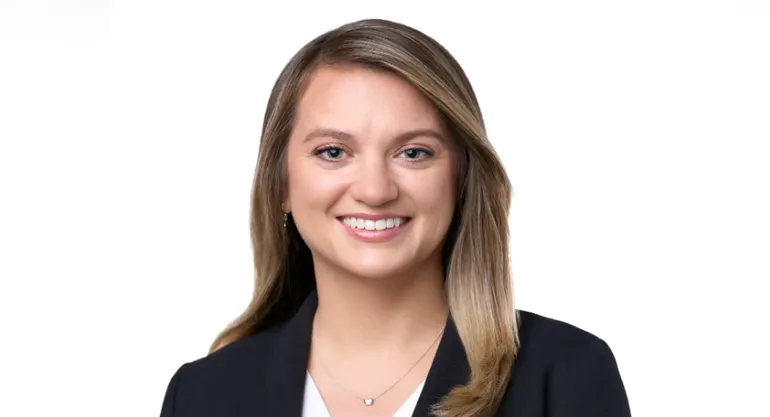
Gene editing biotech company Editas Medicine has formally pivoted to in vivo gene editing therapies after undergoing approximately 65% layoffs last year. New Chief Financial Officer Amy Parison took over at the end of March, and she will lead the company's financial strategy under cash constraints while addressing the scientific complexities and political uncertainties in the gene editing field.

NIH funding cuts are impacting the decades-old system of drug development funding. Brigham Hyde, CEO of Atropos Health, notes that traditional trials remain the gold standard, but real-world evidence could help fill some gaps. He also warns of funding difficulties facing young researchers and calls for stronger public-private data collaboration.
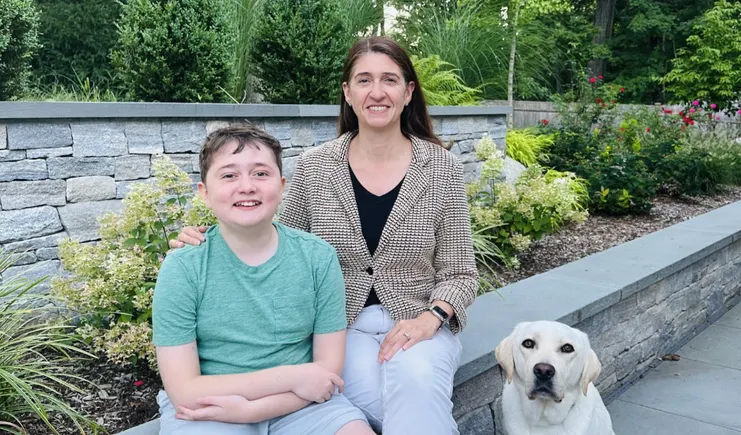
Five years ago, Michelle Werner's son Caffrey was diagnosed with Duchenne muscular dystrophy (DMD), a news that left this biotech CEO with nearly two decades of drug development experience feeling isolated and helpless. In the process of seeking treatment options, she discovered numerous shortcomings in rare disease drug development, and her son was even ineligible for any clinical trial enrollment due to factors such as age. This experience became a turning point in her career—in 2022, she joined Alltrna, a company under Flagship Pioneering, as CEO, dedicated to developing universal therapies that could cover multiple rare genetic diseases using a tRNA technology platform, and introducing the well-established basket trial concept from oncology to bring new hope to rare disease patients.
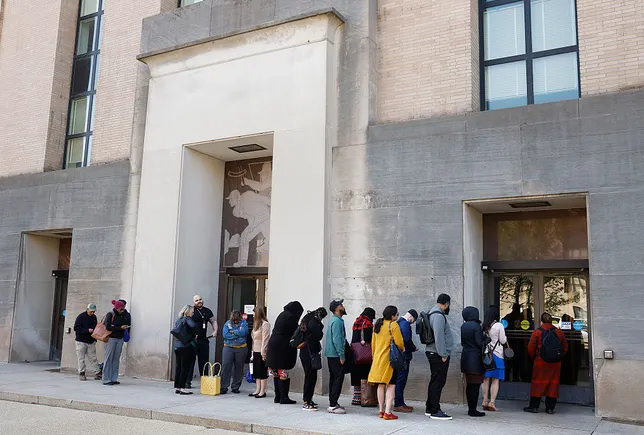
The U.S. Department of Health and Human Services (HHS) faced massive layoffs this week, with agencies such as the FDA and CDC severely impacted. Industry leaders and public health experts have spoken out, expressing concerns over damage to regulatory capacity, scientific research systems, and public health response capabilities.
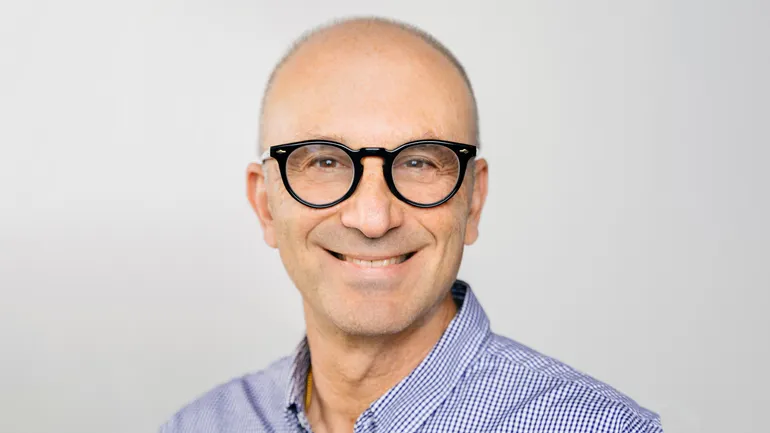
After stepping down, Pfizer's former Chief Scientific Officer Mikael Dolsten joined the boards of several biopharmaceutical companies, including AI drug discovery company Immunai. He shared his thoughts on leadership, the synergy between AI and human intelligence, and the future direction of the industry.

Dr. Ruxandra Draghia-Akli joined Novavax as Executive Vice President and Head of R&D last autumn. She previously drove the launch of Merck's Ervebo and held senior positions at J&J and the European Commission. Facing declining COVID-19 vaccine sales and questions about the company's survival, she plans to leverage the Matrix-M adjuvant platform and external partnerships to rebuild the product pipeline and steer the company out of difficulty.
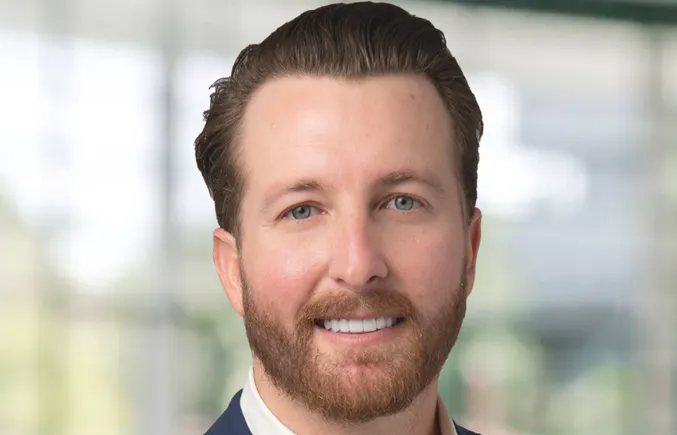
The biotech industry faces financing challenges, with traditional venture capital becoming more conservative, while non-traditional investors such as family offices and high-net-worth individuals are beginning to fill the funding gap. Diakonos Oncology's COO Jay Hartenbach explains the drivers of this shift, the risk appetite of non-traditional investors, and its impact on industry innovation.