


Profiles
Plant-based gel stops bleeding in seconds, may open new path for drug delivery
Cresilon founder Joe Landolina, from his teenage chemistry experiments in a vineyard laboratory, discovered a gel material derived from algae that can instantly adhere to human tissue. The technology has been used in the veterinary product Vetigel and is seeking FDA approval for human use. The company recently signed a cooperative research and development agreement with the Department of Defense to explore treatment for battlefield traumatic brain injury, while completing a $25 million funding round to expand production.
Growing up in his grandparents' vineyard, Joe Landolina had plenty of opportunities to "get into trouble" as a child—but not in the way one might imagine.
From a very young age, Landolina would spend hours in the winery's laboratory—a "glorified kitchen countertop" with equipment he says was "borrowed" from his grandfather's time working at a large pharmaceutical company—conducting chemical experiments with grapes and other plants he grew "with or without his parents' knowledge."
"If you had asked me when I was very young what I wanted to be when I grew up, I would have told you I wanted to be a surgeon. I always wanted to go into medicine," Landolina says, "but as a kid, you obviously can't get access to medicine, but you can get access to chemistry."
In his late high school years, Landolina's childhood hobby led him to discover a breakthrough material—derived from algae, capable of instantly bonding with human tissue. This later became the core technology of the biotech company he founded while studying at New York University at age 17, used to stop traumatic bleeding within seconds.
When he discovered this gel-like material, Landolina—still harboring ambitions of entering medicine—said the thought of "using it to plug gunshot wounds" immediately flashed through his mind. Shortly after, his startup Cresilon was born. More than a decade later, the company is moving toward that original goal.
When life gives you grapes
The Brooklyn-based biotech company has already marketed the gel under the brand Vetigel to veterinarians for treating wounds in pets. Soon, the company expects to commercialize the gel for humans as well, pending FDA approval. Last month, the company signed aCooperative Research and Development Agreementwith the Department of Defense to study the technology's application in treating traumatic brain injuries on the battlefield.
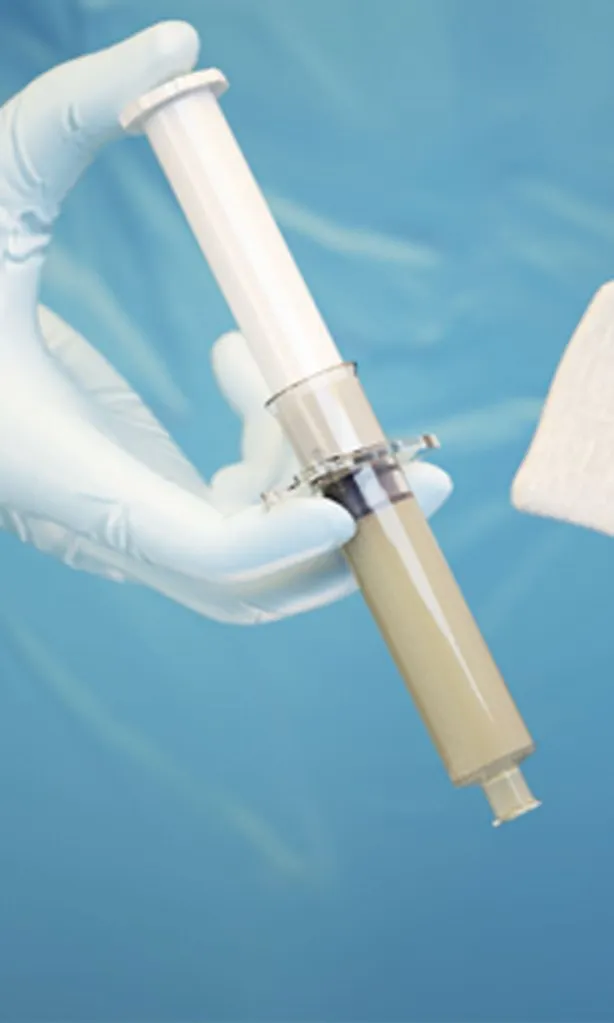
Landolina says that if all goes well, the Walter Reed Army Institute of Research believes the technology could offer the first treatment for penetrating ballistic-like brain injury (PBBI), such as damage caused by gunshot wounds.
"The Walter Reed contract is especially exciting because it's also our first indication that isn't purely about stopping bleeding... The challenge we hope to solve with Walter Reed is not just bleeding, but if a patient is shot in the head, there's currently no standard of care that can be administered on the spot because the brain effectively collapses," he explains.
Landolina says the gel could provide a way to plug the wound and prevent collapse, buying time to get the patient to a neurosurgeon's operating table.
Biochemical hemostatic products currently on the market stop bleeding bypromoting clotting, but these methods typically require applying sustained pressure to the wound area. Cresilon's one-step gel offers the potential for rapid treatment of a range of difficult and previously hard-to-reach wound areas.
"The potential of this technology is incredible. Frankly, from wound healing to burn treatment, tissue regeneration, drug delivery, the potential indications are endless," Landolina says.
To date, the company has "piloted several potential collaborations" with drug developers, showing "positive results" at the "basic research level." But Landolina acknowledges that while Cresilon is open to partnerships and sees "endless possibilities" for the gel in drug delivery, those possibilities may still be a long way off.
"From a business perspective, we have to stay focused, make sure we keep our heads down, stay mission-driven, and advance Vetigel and the next few near-term applications," he explains.
Next phase
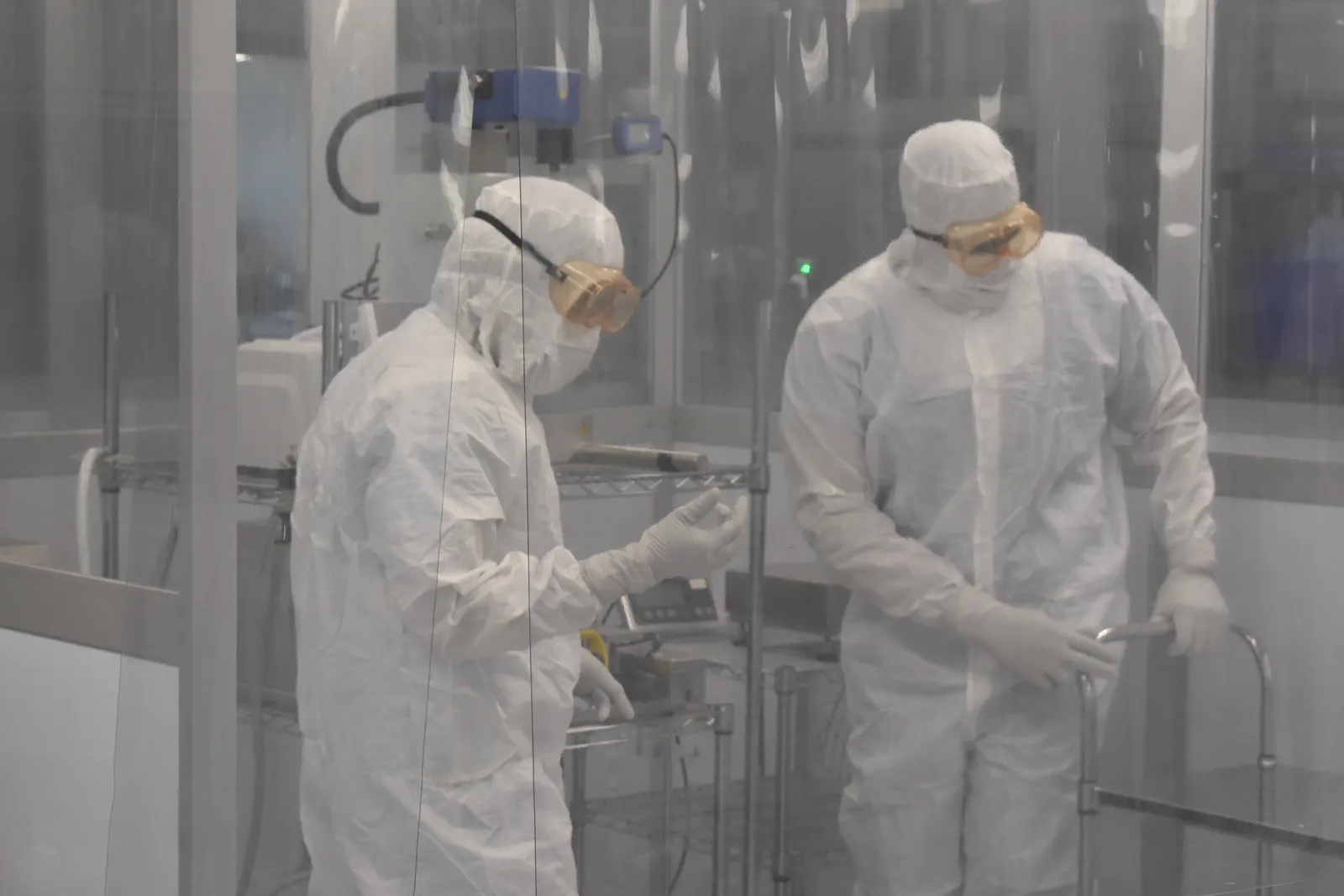
In October, the company completed a$25 million Series A-4 funding round, enabling it to scale up its in-house manufacturing capabilities at its Brooklyn warehouse. Because the gel has the same consistency, color, and "flowability" as hummus, it is extremely sensitive to contamination, and if any small step goes wrong in the manufacturing process, the entire product is ruined, Landolina says. To prevent errors, Cresilon produces the gel in-house using a system that allows it to effectively "make hummus like a vaccine."
Over the next year, the company plans to strengthen Vetigel's profitability strategy and pursue FDA approval for its first human product, CHG Hemostatic Gel, as a Class 2 medical device for treating minor external wounds.
"The potential of this technology is incredible. Frankly, from wound healing to burn treatment, tissue regeneration, drug delivery, the potential indications are endless."

Joe Landolina
CEO and co-founder of Cresilon
"Because of the COVID-19 pandemic, everything is moving a bit slower now. But we're in what I expect to be the final stages of approval. I hope to hear back from the agency soon," Landolina says.
Following the CHG review, the company plans to submit its second human product, TraumaGel, for traumatic bleeding to the FDA, after which "the next indication could be surgical," for internal use, which would require clinical trials and potentially a longer path to market, Landolina says.
"This will allow us not only to handle the largest-scale bleeding, but also to get patients off the operating table faster, because at the end of the day, every extra minute a patient spends on the table and every second of bleeding is an additional cost," he says.