


Q&A
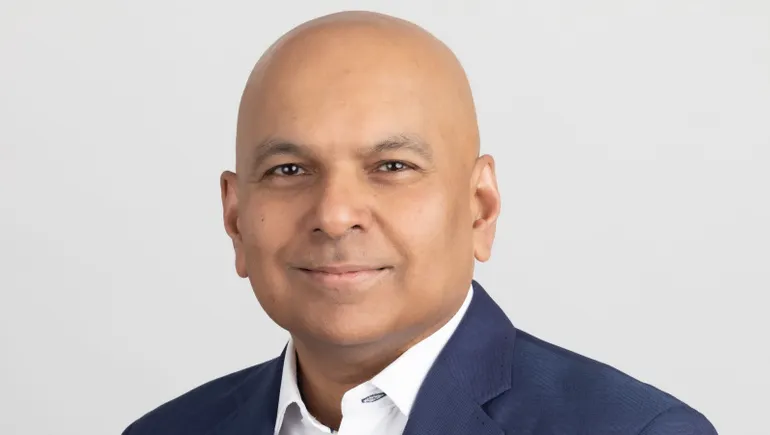
Under the leadership of CEO Arun Swaminathan, Coya Therapeutics, with a solid financial position and strategic collaborations, is advancing its lead candidate Coya-302 into a Phase 2b trial, aiming for key data by 2026. The company focuses on regulatory T cells to address neuroinflammation and plans to establish a differentiated advantage in diseases like ALS through combination therapies.
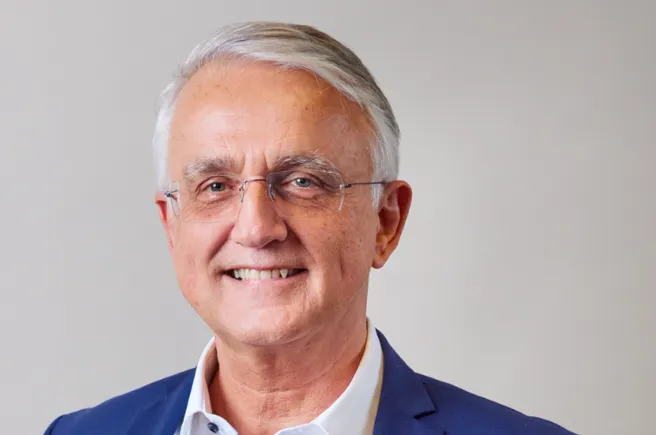
After cutting half its staff and reducing manufacturing costs at the end of 2023 to save on clinical expenses, Candel Therapeutics' viral immunotherapy CAN-2409 met the primary endpoint of disease-free survival in a Phase III prostate cancer trial. The company plans to submit a marketing application to the FDA in the fourth quarter of 2026 and is expanding the same therapy to indications such as non-small cell lung cancer, pancreatic cancer, and high-grade glioma.
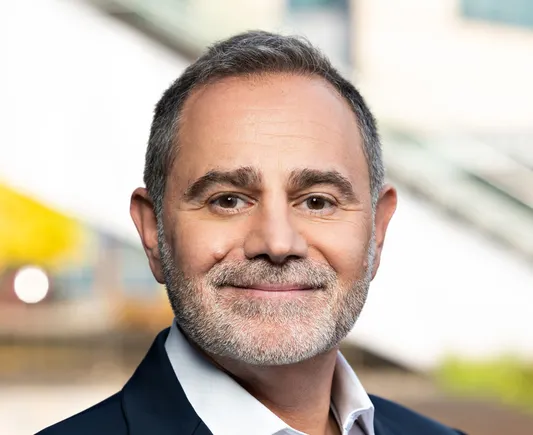
At the American Society for Hematology (ASH) meeting in San Diego, Regeneron presented two significant trial results: a combination therapy (pozelimab and cemdisiran) outperformed Alexion's Ultomiris in paroxysmal nocturnal hemoglobinuria (PNH), and its bispecific antibody Ordspono achieved complete responses in all 12 evaluable first-line follicular lymphoma patients. Dr. L. Andres Sirulnik, senior vice president of translational and clinical sciences in hematology, discusses the science-driven approach behind these advances.
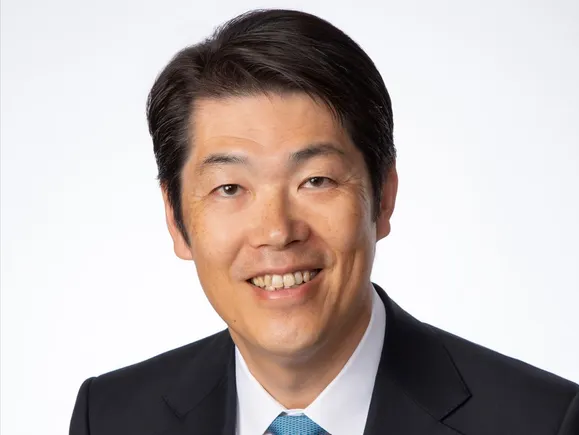
As precision oncology advances, drug development processes are becoming increasingly complex. Japanese pharmaceutical company Astellas recently led the way with the approval of its first-in-class gastric cancer drug Vyloy, outpacing notable peers such as AstraZeneca, Moderna, and Legend Biotech. In an interview, Dr. Tadaaki Taguchi, the company's Chief Medical Officer, elaborated on how Astellas coordinates collaboration between R&D teams and diagnostic manufacturers while navigating a challenging manufacturing environment to bring this first-in-class drug to market.

Stoke Therapeutics has made progress in treating Dravet syndrome with its unique RNA upregulation platform. Following positive results in mid-stage studies, zorevunersen is set to enter Phase III trials. The company is also collaborating with Acadia to develop early-stage candidates and has proactively prepared for commercial manufacturing and patient accessibility.

AstraZeneca has recently made key progress in the respiratory field: Fasenra was approved for EGPA and beat GSK's Nucala head-to-head, demonstrating its strong efficacy against eosinophils. Despite the drug's setback in late-stage COPD trials in 2018, the company is now re-running Phase III trials with stricter eosinophil count-based patient selection, and advancing Tezspire with Amgen, aiming directly at COPD approval in 2026.
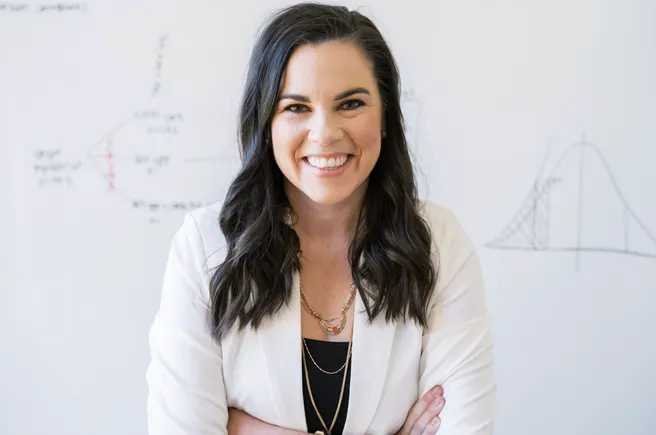
H5N1 avian influenza continues to spread among dairy cattle in the United States, causing 16 human infections, with a suspected case of human-to-human transmission in Missouri. Epidemiologist Katelyn Jetelina, in an exclusive interview, criticizes the slow U.S. response and insufficient coordination among agencies, and discusses vaccine stockpiles and future risks.

The 2024 PharmaVoice 100 list focuses on key figures in the transformation of the pharmaceutical industry, covering hot areas such as GLP-1 drugs, gene editing, CAR-T therapy, and AI applications. The list is divided into ten categories, paying tribute to industry pioneers who not only adapt to change but also actively forge new paths.
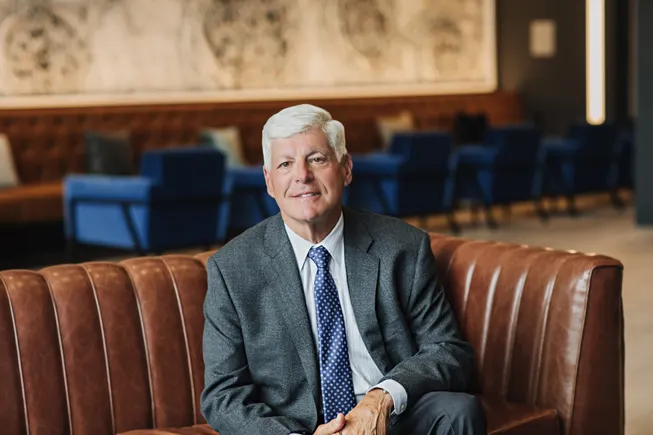
California's life sciences industry supported 1.24 million jobs in 2023, contributing over $128 billion in labor income and $414 billion in economic output. Biocom California President Joe Panetta, in an exclusive interview before stepping down, analyzes the state's leading advantages in areas such as cell and gene therapy and digital technology integration, while pointing out shortcomings like high costs and regulatory burdens, and looks ahead to the potential of emerging clusters such as Los Angeles.

Alicia Zhou, the new CEO of the Cancer Research Institute (CRI), has been in office for less than a month and has already proposed reshaping the nonprofit research funding model with a Silicon Valley mindset. She advocates shifting from funding specific projects to investing in individual scientists and promoting cross-disciplinary data integration to solve the fragmentation problem in cancer research. This article is part of the 'First 90 Days' interview series, exploring her vision and implementation path.